Seattle Landlord Insurance: Protecting Your Rental Property With Local Help

Owning rental property in Seattle comes with real financial exposure. Tenants, natural disasters, and liability claims can drain your savings fast if you’re not properly protected.

At Aurora National Insurance, we’ve helped countless Seattle landlords build coverage that actually matches their properties and local risks. The right Seattle landlord insurance policy stops small problems from becoming expensive disasters.

What Landlord Insurance Actually Covers

Landlord insurance protects the building itself, your rental income, and your liability exposure when someone gets injured on the property. This differs fundamentally from homeowners insurance, which stops working the moment you convert your home to a rental. Standard homeowners policies exclude tenant-caused damage, loss of rental income, and liability related to tenant injuries. Property owners often assume their existing homeowners policy will cover their rental, only to face a denied claim when disaster strikes. Property damage coverage pays for repairs after fire, water damage, storms, or vandalism. Loss of rental income coverage reimburses the rent you would have collected during repairs after a covered event, protecting your cash flow when the property is temporarily unlivable. Liability protection covers legal costs, settlements, and judgments if a tenant or guest is injured on the property-tenant injury claims can exceed $100,000 in medical and legal costs alone.

Key coverage components for Seattle landlords - Seattle landlord insurance

Coverage Limits Matter in Seattle’s High-Cost Environment

Seattle landlords should carry at least $500,000 per occurrence of liability, with $1,000,000 per occurrence recommended for larger portfolios. General liability limits of $300,000 to $500,000 per occurrence fall short in Seattle’s high-cost environment. Dwelling limits must reflect current reconstruction costs, not what you paid for the property years ago. Seattle rebuild costs run approximately $350 to $500 per square foot, so a 2,000 square foot building requires roughly $700,000 to $1,000,000 in coverage to actually rebuild after a total loss. Many landlords underestimate replacement costs and then face massive out-of-pocket expenses when a loss occurs. An umbrella liability policy of around $1,000,000 extends protection after underlying limits are exhausted; this typically costs roughly $200 to $400 per year and fills critical gaps that standard policies leave exposed.

Seattle-Specific Risks Require Specialized Coverage

Earthquake risk in the Cascadia region is significant, with about a 10 to 15 percent probability of a magnitude 9.0 event in the next 50 years according to the Washington Geological Survey. Standard landlord policies exclude earthquakes entirely, so you must add a separate endorsement if you want any protection. Flood coverage is similarly excluded from standard policies, yet a large portion of flood claims occur outside designated high-risk areas, meaning your property could flood even if flood maps suggest low risk. The National Flood Insurance Program offers flood protection, though note there is typically a 30-day waiting period before coverage takes effect. Older properties over 25 years old often require higher liability limits to obtain quotes at all, making maintenance documentation critical. Recent roof, plumbing, or electrical work can reduce premiums by about 5 to 10 percent, so obtain bids before renewal to prove risk reduction to your carrier. Multiple carriers offer different policy forms-DP-2 versus DP-3, for example, can differ by 15 to 25 percent in premium, with DP-3 typically offering broader coverage worth the extra cost for most Seattle landlords.

Next Steps in Building Your Protection Strategy

The coverage types and limits you select today directly impact how well your rental investment survives tomorrow’s unexpected events. Your property’s age, location, and tenant profile all influence which endorsements and limits make sense for your situation. A local insurance agent who understands Washington hazards and Seattle’s rental market can identify gaps that national carriers often miss, helping you avoid costly underinsurance.

Why Local Insurance Agents Understand Seattle’s Rental Market

Insurance costs for Seattle landlords have skyrocketed. From 2019 to 2024, monthly insurance premiums per multifamily unit in the Seattle metro area jumped 84.61%, reaching $62.02 per unit, according to a Federal Reserve study compiled by Trepp that analyzed thousands of multifamily properties with commercial mortgage-backed securities loans. The national average rose 76.5% over the same period, meaning Seattle landlords pay significantly more than their counterparts elsewhere.

Rising premiums and revenue impact in Seattle versus the U.S. - Seattle landlord insurance

For each additional dollar spent on property insurance, a landlord’s net profit declines by about 75 cents. Insurance costs consumed 3.83% of revenue for a typical landlord in 2024, up from 2.3% in 2019. Washington State rental executives from the Washington Multifamily Housing Association attribute this spike to broader economic uncertainty and increased environmental risk. Landlords often cannot raise rents fast enough to offset these premiums due to market competitiveness, which intensifies the problem.

A national agent working from a script cannot explain why your Seattle property costs more to insure than an identical building in Phoenix, nor can they identify which specific local risks drive your quotes higher. Local agents understand that Seattle’s earthquake exposure and flood risk, aging building stock, and tenant demographics create pricing premiums that don’t apply elsewhere. They know which carriers price aggressively in Washington versus those that avoid the market entirely. They can explain why your 1970s building requires different liability limits than a new construction property, and they understand how Washington’s landlord-tenant laws affect your coverage needs.

Washington Tenant Laws Shape Your Coverage Requirements

Washington State imposes strict landlord responsibilities that directly impact your insurance strategy. Landlords must maintain habitable premises under Washington law, which means your policy must cover the repairs needed to restore habitability after a covered loss. Loss of rental income coverage becomes essential because you cannot legally collect rent from uninhabitable units during repairs, even if the tenant remains on site. If a tenant is injured due to your negligence in maintaining the property, Washington’s premises liability standards expose you to significant claims. A local agent knows how courts in King County and surrounding areas interpret these duties and can recommend liability limits that reflect actual exposure rather than generic minimums. They understand which endorsements strengthen your position if a tenant dispute reaches litigation. National carriers sometimes apply generic policy language that conflicts with Washington State requirements, creating coverage gaps that only surface during a claim. Local agents catch these mismatches before they cost you money.

Property-Specific Risk Assessment Requires On-the-Ground Knowledge

Your property’s actual risk profile depends on factors that national databases miss. An agent who understands Seattle’s neighborhoods knows that a rental in Ballard faces different flood exposure than one in Capitol Hill, even though both are Seattle addresses. They can evaluate whether your specific building’s age, construction type, and roof condition warrant the higher liability limits that older properties typically require. They know which maintenance improvements actually lower premiums with specific carriers and which improvements insurance companies ignore. A local agent can assess whether your property sits in a liquefaction zone or landslide area, information that affects both pricing and coverage availability. They understand tenant demographics in your building and how that influences loss history and claims frequency. They can review your current coverage and identify whether you pay for protection you don’t need or leave dangerous gaps in coverage you do need. This assessment takes a site visit or at minimum a detailed conversation about your specific property-something impossible with an online quote engine. The cost difference between a policy that matches your actual risk and one that doesn’t often exceeds $500 to $1,000 annually, making local expertise financially valuable rather than merely convenient.

How Local Agents Navigate Carrier Selection

Different insurance carriers price Seattle properties differently based on their appetite for Washington risk. Some carriers actively compete for Seattle multifamily business while others have pulled back entirely, which means your agent’s carrier relationships directly affect the quotes you receive. A local agent knows which carriers offer the best rates for older buildings, which ones specialize in higher-liability situations, and which ones provide the most responsive claims service when you need it. They can compare DP-2 versus DP-3 policy forms and explain why the 15 to 25 percent premium difference matters for your specific property. They understand how recent roof, plumbing, or electrical work affects pricing with each carrier (improvements can reduce premiums by about 5 to 10 percent). National online platforms cannot replicate this carrier knowledge because they lack the relationships and market intelligence that local agents develop over years of working in Washington. Your agent’s ability to shop multiple carriers and negotiate terms directly impacts both your premium and your coverage quality.

Moving Forward With Confidence

The right local agent transforms insurance from a confusing expense into a strategic asset that protects your rental investment. They identify coverage gaps before claims happen, explain why your Seattle property requires different protection than properties elsewhere, and help you avoid the costly mistakes that come from underinsurance or mismatched coverage. The next step involves evaluating which specific policy features and limits actually fit your property and your financial situation.

Selecting Coverage That Actually Protects Your Seattle Rental

Calculate Your True Replacement Cost

Your dwelling coverage must match what it actually costs to rebuild your property, not what you paid for it years ago. Seattle reconstruction costs can range from $100 to $500 per square foot, with the average around $150 per square foot, which means a 2,000 square foot property needs significant dwelling coverage to rebuild after total loss. Many Seattle landlords set limits based on purchase price from a decade ago, then face six-figure shortfalls when construction costs have climbed substantially since then. Contact local contractors for current rebuild estimates specific to your property’s age and condition. This single step prevents the costly mistake of underinsurance that leaves you paying tens of thousands out-of-pocket after a major loss.

Choose Your Deductible Based on Cash Flow

Your deductible choice trades premium savings against out-of-pocket risk. A $500 deductible costs roughly 15 to 20 percent more annually than a $2,500 deductible, but after a water damage claim costing $8,000 in repairs, that premium difference vanishes in a single incident. For most Seattle landlords with adequate cash reserves, a $1,000 or $2,500 deductible makes financial sense because you save more in premiums over five years than you pay out-of-pocket in a typical claim.

How to choose a landlord insurance deductible

Higher deductibles work well if you have emergency reserves to cover unexpected costs. Lower deductibles protect landlords with tight cash flow who cannot absorb sudden repair expenses.

Set Liability Limits That Match Seattle’s High-Cost Environment

Standard $300,000 to $500,000 per occurrence limits leave dangerous exposure when a tenant or guest injury claim runs $100,000 in medical costs alone plus legal defense fees. Move to $1,000,000 per occurrence, which adds roughly 10 to 15 percent to your annual premium-a modest cost for the protection gap it closes. An umbrella policy extending another $1,000,000 costs roughly $200 to $400 yearly and covers claims that exceed your underlying liability limits. This combination proves essential for landlords with multiple properties or aging buildings where injury risk runs higher.

Compare Quotes Using Identical Specifications

Comparing quotes from multiple carriers reveals dramatic price differences for identical Seattle properties. One carrier might quote $1,200 annually while another quotes $1,800 for the same building because carriers price Washington risk differently based on their claims experience and market appetite. Request quotes using identical specifications: same dwelling limit, same deductible, same liability limit, same property details. This forces apples-to-apples comparison rather than letting carriers hide premium differences in different coverage assumptions. Ask each carrier whether they offer discounts for recent roof replacement, electrical updates, or plumbing work, since these improvements can reduce premiums by 5 to 10 percent but only if the carrier applies the discount. Compare DP-2 versus DP-3 policy forms specifically because the 15 to 25 percent premium difference between them reflects real coverage gaps. DP-3 policies cover additional perils and typically offer broader protection worth the extra cost for most Seattle landlords, while DP-2 policies exclude certain water damage and weather events that regularly occur in Washington.

Work With a Local Agent to Access Better Options

A local agent who understands Seattle’s rental market can access carriers and policy forms that online quote engines never show, expanding your options beyond whatever three national carriers a website compares. They know which carriers actively compete for Seattle multifamily business versus those charging premium rates to discourage applications. They can explain why your specific property qualifies for certain discounts with one carrier but not another-information that determines whether you save $300 or $800 annually. The agent’s carrier relationships allow them to negotiate terms and sometimes secure better rates than you would receive calling the carrier directly, making their consultation financially valuable rather than merely informational.

Final Thoughts

Seattle landlord insurance protects your rental investment from the specific risks that plague this market. Rising premiums, earthquake exposure, flood risk, and Washington’s strict tenant laws create a complex insurance landscape that demands more than a generic online quote. The coverage limits you select today determine whether a major loss becomes a manageable claim or a financial catastrophe that wipes out years of rental income.

Your Seattle rental property requires dwelling limits that reflect current reconstruction costs, liability protection scaled to the high-cost environment, and specialized endorsements for earthquake and flood exposure. A $1,000,000 umbrella policy costs roughly $200 to $400 annually and fills critical gaps that standard policies leave exposed. Comparing quotes from multiple carriers using identical specifications reveals dramatic price differences-sometimes $600 or more annually for the same building.

A local insurance agent who understands Seattle’s neighborhoods, building stock, and tenant demographics identifies coverage gaps that national carriers miss. They know which improvements reduce premiums by 5 to 10 percent with specific carriers and which ones insurance companies ignore. Contact a local agent to review your current coverage and identify whether you pay for protection you don’t need or leave dangerous gaps in coverage you do need, or reach out to Aurora National Insurance to connect with licensed agents who help Seattle landlords find the right protection at competitive prices.

The information provided in this blog is for general informational purposes only and does not constitute legal, financial, or insurance advice. Coverage options, terms, and availability may vary. Please consult with a licensed professional for advice specific to your situation.
Artificial intelligence may have been used to generate text and images in some blog articles.
Freight Carrier Auto Insurance: Protecting Your Fleet on the Road

Running a freight operation means managing real risks on every route. Vehicle breakdowns, accidents, and cargo damage can quickly drain your budget and damage your reputation.

At Aurora National Insurance, we know that freight carrier auto insurance isn’t optional-it’s the foundation of a sustainable business. This guide walks you through the coverage types that matter, the factors that shape your rates, and how to find the right protection for your fleet.

What Your Freight Insurance Actually Covers

Freight carrier auto insurance isn’t one-size-fits-all. Federal law requires you to carry liability coverage with a minimum limit of $750,000 for non-hazardous freight trucks weighing over 10,001 pounds, but that’s just the baseline. Hazardous materials carriers face much steeper requirements-a $5 million policy is mandatory for trucks transporting radioactive materials, explosives, gases, or inhalation hazards. Liability coverage protects you when your truck causes injury or property damage to someone else, and it’s the first line of defense against lawsuits that can bankrupt an operation. Beyond liability, physical damage coverage protects your vehicles against fire, theft, collision, and weather events. This is voluntary coverage, but skipping it leaves your equipment vulnerable to losses that insurance could absorb. Cargo insurance is equally important and federally required when you transport household goods across state lines.

Quick look at key freight insurance coverages for U.S. carriers

Motor truck cargo insurance covers goods during transit from damage, loss, or theft due to collision, fire, or other covered events. The FMCSA requires proof of both liability and cargo insurance to issue operating authority-no insurance means no authorization to operate.

Standard Cargo Coverage and Its Limits

Standard cargo insurance covers lost or damaged freight, removal expenses for cleanup, and earned freight to protect you from customer charges for undelivered loads. However, this baseline protection leaves gaps that can cost you money. Common exclusions apply: art, jewelry, contraband, and items left in your truck for more than 72 hours typically aren’t covered. Live animals are generally excluded unless death occurs within 24 hours. Pharmaceuticals, tobacco, and alcohol face restrictions depending on your state and carrier. Set your coverage limit based on the sender or receiver’s requirements and choose a deductible per claim that balances cost against risk.

Expanding Protection with Cargo Plus Endorsements

Cargo Plus endorsements broaden protection to include wetness, rust, corrosion, and driver error-gaps that standard policies leave exposed. Paired with refrigeration breakdown coverage, Cargo Plus also protects temperature-related losses in reefer trucks, which matters if your operation handles perishables. For high-value shipments, higher limits are non-negotiable; underinsuring cargo exposes you to catastrophic financial loss when accidents happen. These enhanced endorsements cost more upfront but protect your revenue and customer relationships when damage occurs.

Matching Coverage to Your Cargo and Routes

The type of freight you haul directly shapes your insurance needs. Temperature-sensitive cargo requires different protection than standard dry goods, and hazardous materials demand compliance with federal regulations that go far beyond standard policies. Your routes also matter-long-haul operations across multiple states face different risks than regional deliveries. Work with your insurance provider to evaluate the specific value and nature of your goods, analyze the likelihood and impact of delays or damage, and review policy limits and exclusions. This assessment helps you tailor coverage that actually protects your operation instead of leaving you exposed when claims arise.

What Drives Your Freight Insurance Costs

Insurance premiums for freight carriers have climbed dramatically over the past decade. Car insurance rates are increasing by an average of 4.9 percent nationally, even as trucking crash numbers declined in the last four years. This disconnect reveals a hard truth: insurers price for litigation risk, not just accident frequency.

Fleet Size and Vehicle Type Shape Your Rates

Your fleet size directly influences premium calculations. A five-truck operation pays per-vehicle rates that differ substantially from a fifty-truck fleet because larger operations spread risk across more units and typically maintain more sophisticated safety programs. Vehicle type matters equally. Newer trucks with advanced safety technology command lower premiums than aging equipment because collision avoidance systems and telematics demonstrably reduce claim frequency. A tractor-trailer hauling hazardous materials costs far more to insure than a box truck moving general freight because regulatory requirements and potential liability exposure are exponentially higher.

Driver Records Determine Premium Stability

Your driver roster is where premiums either stabilize or spiral upward. Drivers with clean records and multiple years of experience receive better rates than operators with recent violations or accidents. One serious at-fault collision can increase your fleet’s premiums by thousands of dollars annually for years afterward. Insurance carriers scrutinize your hiring practices and whether you conduct regular driving license checks and monitor high-risk driver groups. Drivers who exceed average speed by 10 to 15 percent are significantly more likely to crash according to road safety research, and insurers factor this risk into their quotes.

Routes, Cargo Type, and Operating Conditions

Annual mileage and route selection directly correlate with claim costs. A regional carrier operating 50,000 miles annually across established routes in low-accident corridors pays substantially less than a long-haul operation crossing multiple states on high-risk highways. Mountainous terrain, urban congestion, and weather patterns all affect underwriting decisions.

Hub-and-spoke visual of cost drivers for freight carrier insurance in the U.S. - Freight carrier auto insurance

Winter operations in northern climates increase premiums because accident rates spike during snow and ice conditions. Your cargo type influences pricing as well. Expedited freight operations with tight delivery windows face higher accident likelihood because speed pressures override safe driving practices, so liability coverage reflects this elevated risk. Temperature-controlled reefer operations command premium adjustments because mechanical failures and spoilage claims add complexity. Hazardous materials routes require compliance with federal regulations and specialized training documentation that insurers verify before quoting.

Document Your Safety Investments Before Renewal

The most actionable step you can take is consolidating your safety data into one source of truth before renewal conversations. Track your incident history, near-miss reports, driver training completion, and telematics data showing harsh braking or excessive speed. Present this evidence to your insurer to justify rate reductions based on demonstrated risk reduction rather than accepting across-the-board increases. Carriers increasingly recognize that fleets investing in safety technology and formal training programs deserve better pricing, but you must document and communicate those investments clearly. This documentation becomes your foundation for negotiating better rates and selecting an insurance partner who values your commitment to safer operations.

Selecting an Insurance Partner That Understands Freight Operations

Finding the right freight carrier insurance provider requires more than comparing premium quotes side by side. Freight operators need insurers who understand the specific pressures of tight delivery windows, multi-state compliance requirements, and the operational complexity of managing hazardous or temperature-sensitive cargo. The insurance market for trucking has tightened considerably. According to the American Transportation Research Institute, insurance cost and availability ranked as a leading issue facing fleets, signaling that not all carriers will write freight business at any price point. This means your selection process must prioritize insurers with genuine expertise in freight operations rather than generalist commercial carriers who treat trucking as a sideline.

Start with Specialized Freight Insurers

Request quotes from at least three carriers that specialize in freight rather than those offering generic commercial auto policies. Specialized freight insurers offer dedicated risk management consultations, flexible policy options, and priority claims processing to reduce downtime when incidents occur. When comparing coverage options, don’t assume that higher limits automatically mean better protection. Instead, verify that each quote includes the specific endorsements your operation requires. If you run reefer trucks, confirm that refrigeration breakdown coverage is included or available. If you haul high-value goods, ask whether the cargo limits match your actual shipment values or whether you’ll face underinsurance penalties.

Request written explanations of what each policy excludes because gaps in coverage often reveal themselves only after a claim arises. Ask each carrier directly about their claims process timeline. How long does it take to file a claim after an incident? Do they offer 24/7 claims reporting? Will they assign a dedicated claims adjuster to your account, or will you navigate an automated phone system?

Checklist to evaluate specialized freight insurance carriers - Freight carrier auto insurance

For freight operations where downtime translates directly to lost revenue, a carrier with expedited claims handling can save you thousands of dollars per incident.

Pricing That Reflects Your Safety Investments

Don’t accept a renewal quote that simply adds a percentage increase to your prior year’s premium without explanation. Request a detailed breakdown showing how your claims history, fleet composition, driver records, and safety programs influenced the calculation. Bring documentation of any safety investments you’ve made: telematics system adoption, driver training completion rates, dash cam installations, or route optimization changes. Carriers increasingly offer premium reductions for fleets that demonstrate measurable risk reduction, but you must present the evidence proactively.

Ask whether the carrier offers bundling discounts. Even if you carry property insurance elsewhere, switching to a single carrier often yields meaningful discounts. Inquire about safety technology discounts specifically. If your fleet has adopted collision avoidance systems or in-cab monitoring, some carriers will reduce premiums based on demonstrated accident prevention.

Flexibility and Partnership Approach

Confirm whether the carrier will revisit your rates mid-term if you implement safety improvements rather than waiting until renewal. This flexibility separates carriers who genuinely partner with fleet operators from those simply collecting premiums. Ask about their approach to driver safety programs. Do they provide training resources or subsidies? Will they recognize drivers with clean records through preferred rates? Carriers that invest in your operational success beyond just underwriting claims tend to maintain more stable pricing and offer better service when problems arise.

Final Thoughts

Freight carrier auto insurance protects your operation’s ability to survive and grow beyond just vehicle protection. Calculate your actual cargo values, identify the routes and cargo types that define your operation, and match your coverage limits to those realities rather than accepting generic quotes. Document every safety investment your fleet makes-telematics adoption, driver training completion, collision avoidance systems, and incident reduction metrics-because this documentation becomes your negotiating foundation when renewal time arrives.

Specialized freight insurers understand the operational pressures you face daily: tight delivery windows, multi-state compliance requirements, and the financial impact of downtime. They offer dedicated risk management support, flexible policy options, and claims processes designed for speed rather than bureaucracy. When comparing carriers, ask about their approach to safety partnerships, mid-term rate adjustments for improvements, and bundling opportunities that reduce your total insurance spend.

We at Aurora National Insurance help you find freight carrier auto insurance that actually fits your operation through our network of top-rated carriers and local expertise. Our licensed agents deliver tailored comparisons and responsive service across Alaska, Washington, Oregon, and other key markets. Start with an instant online quote to see how your current coverage compares to what’s available in today’s market.

The information provided in this blog is for general informational purposes only and does not constitute legal, financial, or insurance advice. Coverage options, terms, and availability may vary. Please consult with a licensed professional for advice specific to your situation.
Artificial intelligence may have been used to generate text and images in some blog articles.
General Liability Coverage Alaska: Tailoring Protection for Remote Work

Remote work has fundamentally changed where and how you operate your business. If you’re working from home in Alaska, your liability risks have shifted too-and your standard business insurance might not keep pace.

At Aurora National Insurance, we’ve seen firsthand how general liability coverage Alaska policies often miss the exposures that come with home-based operations. This guide walks you through what actually matters for your protection.

How Remote Work Shifts Your Liability Exposure

Remote work fundamentally changes where liability claims originate. When you operated from a traditional office, your exposure stayed contained-clients visited during business hours, your property remained controlled, and your activities followed predictable patterns. Remote work shatters that model. Your home becomes a business location. Client meetings happen in your living room. Contractors or delivery personnel enter spaces you may not have prepared for commercial activity. A client trips on your home office stairs, or a delivery driver sustains an injury while accessing your residential property to drop off business equipment.

Hub-and-spoke visualization of key liability shifts when working remotely in Alaska - General liability coverage Alaska

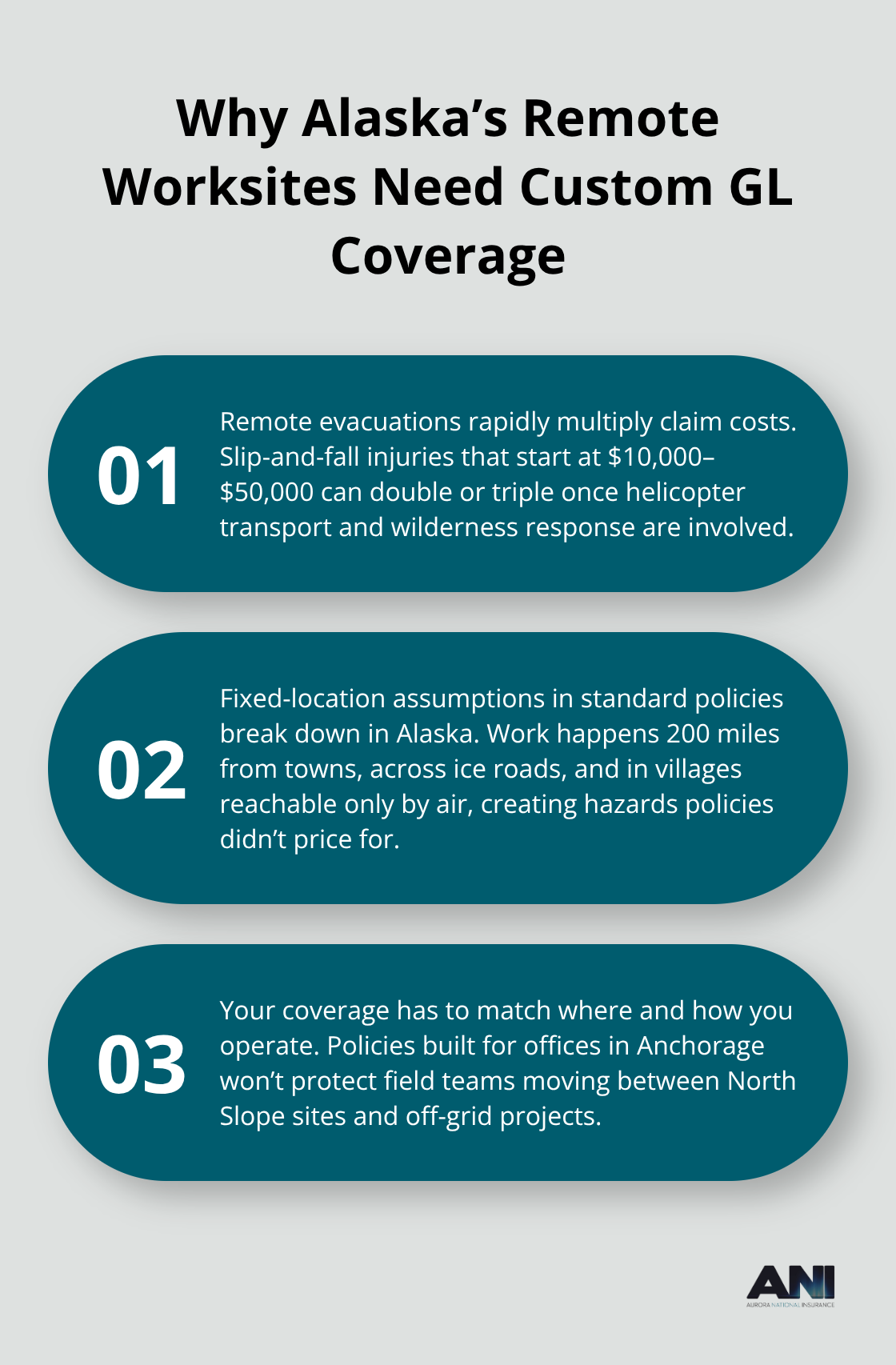
These incidents fall squarely into general liability territory, yet most homeowners’ policies explicitly exclude business-related injuries. Standard commercial general liability policies written for traditional offices often fail to account for the specific hazards of home-based operations-especially in Alaska, where remote job sites span vast distances and emergency services can take hours to reach accident victims. Slip-and-fall incidents cost businesses an average of $10,000 to $50,000 in medical bills and legal expenses combined. In Alaska’s remote regions, those costs climb higher due to medical evacuation and limited local emergency capacity.

Your Home Becomes Your Workplace

The moment you conduct business from your residence, your liability profile changes. If a client or vendor sustains an injury on your property during a business meeting or while performing work-related tasks, standard homeowners’ coverage will deny the claim. Your home liability exclusions specifically carve out business activities. A general liability policy designed for remote work must account for the fact that your residential space now hosts business visitors, equipment deliveries, and work-related activities. Alaska’s unique geography compounds this risk-rural properties often feature long driveways, steep terrain, or winter hazards that increase slip-and-fall probability. Additionally, if you operate from a home office and store business equipment, materials, or inventory, property damage claims become more likely. Someone damages your business laptop or sustains an injury on unsecured equipment. These losses fall outside residential policy coverage.

Third-Party Exposure Beyond Your Front Door

Remote work does not confine your liability to your home. If you meet clients at coffee shops, co-working spaces, or their offices, you remain liable for injuries you cause during those interactions. If you are a consultant who accidentally damages a client’s equipment during a presentation, or a contractor who causes property damage while working at a remote site, your general liability coverage must follow you. Alaska’s remote work culture means many professionals operate from job sites scattered across the state-from Juneau to Fairbanks to villages accessible only by plane. Each location introduces new hazards: uneven ground, weather exposure, limited medical access. Your liability extends to every location where you conduct business activities.

Alaska-Specific Hazards Demand Tailored Coverage

Alaska’s geography and climate create liability exposures that standard policies overlook. Winter conditions introduce slip-and-fall risks on ice and snow. Remote locations mean that emergency response times stretch to hours rather than minutes, which increases medical costs and complicates liability claims. If you operate across multiple sites or travel frequently for client meetings, your exposure multiplies. A policy that works for a Seattle-based consultant may leave an Alaska professional underprotected. The distance between your home office and client locations, combined with Alaska’s unpredictable weather and terrain, means your general liability coverage must reflect these realities rather than assume a traditional office environment.

Coverage Gaps in Standard Policies

Most standard commercial general liability policies assume you operate from a fixed business location with controlled access and predictable visitor patterns. Remote work violates all three assumptions. Your policy may exclude coverage for injuries that occur at your home office, fail to protect you when you work at client sites, or provide inadequate limits for Alaska’s higher medical costs. Additionally, if you hire contractors or subcontractors who work from your home or travel with you to job sites, coverage gaps expand further. You need a policy that explicitly addresses home-based operations, client-site work, and the specific risks of Alaska’s remote environment. That’s where tailored coverage makes the difference between protection and exposure.

What Your General Liability Policy Actually Covers

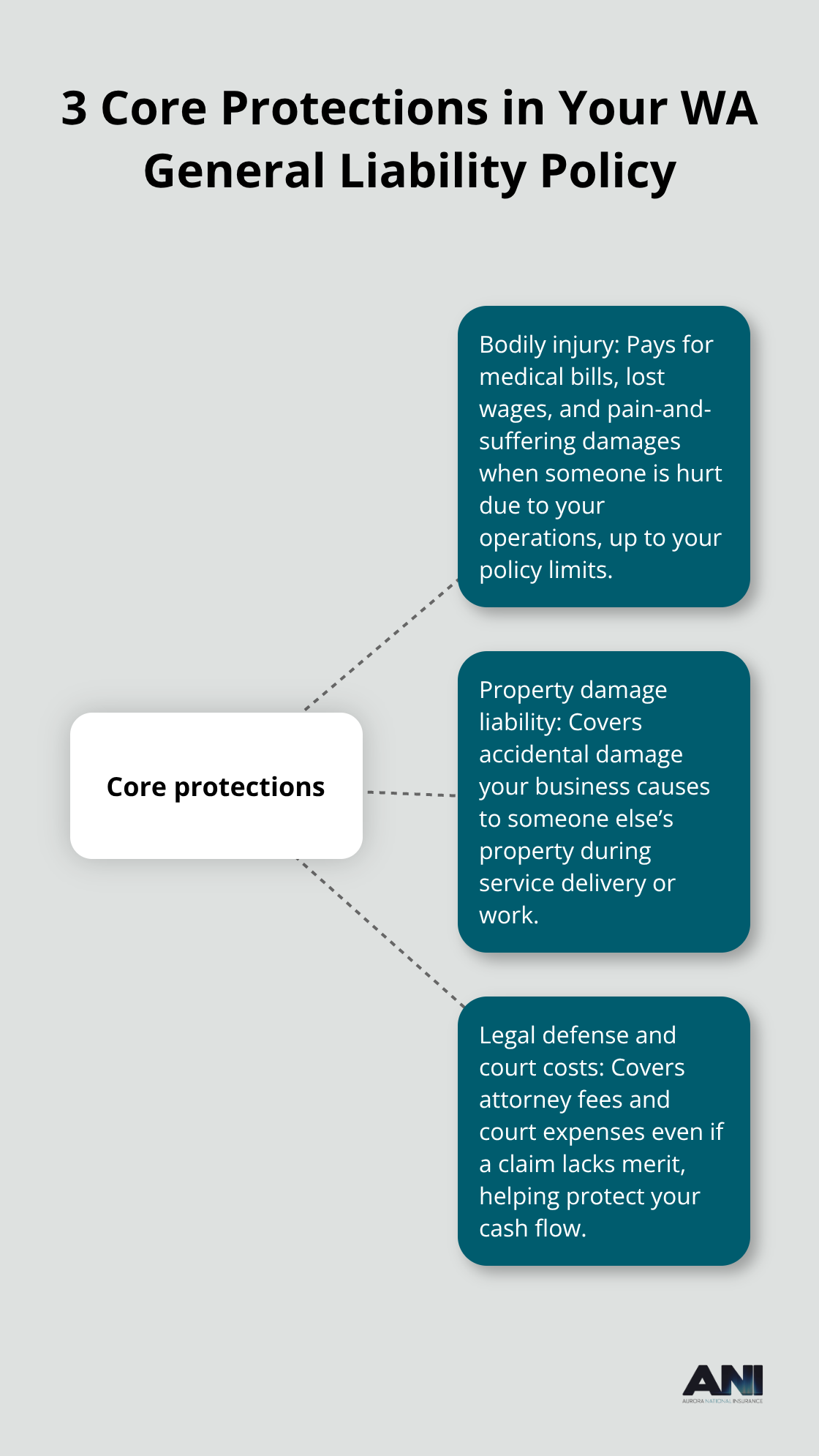
General liability coverage protects you against the financial fallout when someone else gets hurt or their property gets damaged because of your business activities. In Alaska’s remote work environment, this protection becomes your first line of defense against claims that could otherwise bankrupt your operation. The policy covers three distinct areas that matter most for home-based and mobile professionals.

Compact list of the three main protections provided by general liability insurance for Alaska remote workers - General liability coverage Alaska

Bodily Injury and Property Damage Claims

Bodily injury coverage pays medical expenses, rehabilitation costs, and court judgments when a client, vendor, or visitor sustains an injury connected to your work. If a prospective client slips on your home office stairs during a meeting, or a contractor gets injured while delivering equipment to your remote job site, bodily injury coverage handles the medical bills and any resulting lawsuit. Property damage coverage addresses the opposite scenario-when your actions damage someone else’s property. A consultant who accidentally spills coffee on a client’s laptop during a meeting, or a contractor whose equipment damages a client’s building during installation, both trigger property damage claims. Together, these two components form the backbone of your protection against third-party losses.

Medical Payments Coverage for Immediate Costs

Medical payments coverage operates independently from bodily injury and property damage claims. It pays immediate medical expenses up to a set limit without requiring fault determination. This matters significantly in Alaska, where medical evacuation from remote locations can cost thousands of dollars before any lawsuit even begins. Your policy covers emergency transport, initial treatment, and follow-up care for injured parties on your property or at your work sites. Unlike bodily injury coverage (which requires you to be found liable), medical payments coverage activates regardless of who caused the accident. This distinction proves valuable when injuries occur in ambiguous circumstances or when you want to resolve minor medical costs quickly without litigation.

Legal Defense Costs That Protect Your Business

Legal defense costs represent the coverage component most remote workers underestimate. When a claim arises, your insurer covers attorney fees, court costs, and investigation expenses-costs that accumulate rapidly regardless of whether you ultimately prevail. A single premises liability lawsuit in Alaska routinely generates $5,000 to $15,000 in legal fees before settlement negotiations even begin, and complex cases easily exceed $50,000. Your general liability policy covers these expenses up to your policy limit, meaning the insurer pays your legal team to defend you while you focus on your business. This protection applies even if the claim lacks merit, which matters because frivolous claims still require legal response. Many remote professionals operating across multiple Alaska locations face heightened claim exposure simply because they work in unfamiliar spaces where hazards vary dramatically. A policy with adequate legal defense coverage ensures you can mount a proper defense without depleting your business reserves.

Now that you understand what general liability coverage protects, the next critical step involves understanding how Alaska’s unique environment shapes your actual coverage needs and where standard policies fall short for remote workers.

General Liability Coverage for Alaska Remote Workers

Winter Conditions and Terrain Create Unique Hazards

Alaska’s climate and geography introduce liability exposures that standard policies overlook. Winter conditions create slip-and-fall risks on ice and snow around your home and at client sites. Rural locations mean emergency response times stretch to hours rather than minutes, which inflates medical costs and complicates claims. If you operate across multiple sites or travel frequently between Anchorage, Fairbanks, Juneau, and villages accessible only by plane, your liability exposure multiplies with every location. A policy written for a consultant working in Seattle won’t protect an Alaska professional operating across the state.

Standard Policies Leave Critical Gaps

Standard commercial general liability insurance policies assume you work from a fixed business location with controlled access and predictable visitor patterns. Remote work violates all three assumptions. Your policy may exclude coverage for injuries at your home office, fail to protect you when you work at client sites, or provide inadequate limits for Alaska’s higher medical costs and evacuation expenses. If you hire contractors or subcontractors who work from your home or travel with you to job sites, coverage gaps expand further.

What Tailored Coverage Addresses

You need explicit protection for home-based operations, client-site work, and Alaska’s specific hazards rather than a one-size-fits-all policy designed for traditional office settings. Tailored coverage addresses the actual conditions where you work. This means higher limits to account for Alaska’s medical evacuation costs, endorsements that extend protection to your home office and multiple remote job sites, and explicit coverage for the contractors and vendors you work with.

Checklist of tailored general liability coverage elements for Alaska remote workers

Protection Across Your Operating Locations

Your policy should cover third-party injuries at your residential workspace, property damage you cause at client locations, and medical payments that activate immediately without requiring fault determination. Alaska’s geography and weather patterns demand coverage that reflects your real operating environment. Local agents who understand Alaska’s terrain, emergency response delays, and regulatory requirements help you match your policy to your actual exposures rather than leaving gaps when claims arise.

Final Thoughts

Remote work in Alaska demands general liability coverage Alaska that reflects your actual operating environment, not a standard policy designed for traditional offices. Your home office creates liability exposures that homeowners’ policies explicitly exclude, so you need commercial coverage that addresses residential business activities. Alaska’s geography and climate multiply your risk across multiple job sites and remote locations where emergency response takes hours rather than minutes, and standard policies leave critical gaps in medical evacuation costs, contractor coverage, and protection at client sites scattered across the state.

Review your policy documents and ask your agent whether your home office, client-site work, and Alaska-specific hazards receive explicit protection. Check your bodily injury limits against Alaska’s higher medical costs, verify that medical payments coverage activates without fault determination, and confirm that legal defense costs cover the attorney fees that accumulate quickly in any claim. If your policy was written for a different state or business model, it almost certainly leaves you underprotected.

Working with local agents who understand Alaska’s terrain, weather patterns, and regulatory environment makes the difference between adequate protection and dangerous gaps. We at Aurora National Insurance represent multiple top-rated carriers and leverage local Alaskan expertise to help you compare coverage options and find the right protection at competitive prices. Get an instant online quote to see what your current coverage includes and where you need additional protection.

The information provided in this blog is for general informational purposes only and does not constitute legal, financial, or insurance advice. Coverage options, terms, and availability may vary. Please consult with a licensed professional for advice specific to your situation.
Artificial intelligence may have been used to generate text and images in some blog articles.
Seattle Commercial Vehicle Insurance: Protecting Your Fleet in the Pacific Northwest

Running a fleet in Seattle means navigating busy streets, strict regulations, and real financial risks. One accident or liability claim can cost thousands-or even shut down your business.

At Aurora National Insurance, we help fleet owners across the Pacific Northwest protect their operations with Seattle commercial vehicle insurance that actually covers what matters. The right policy isn’t just a legal requirement; it’s your safety net against the unexpected.

Why Seattle Fleets Face Real Insurance Risks

Seattle’s traffic ranks among the worst in the nation. The Seattle area experiences some of the heaviest congestion in America, with commute times regularly exceeding 40 minutes during peak hours according to transportation data. When your fleet operates in this environment, accident odds spike dramatically. Urban congestion forces more vehicles into tight spaces, creates more frequent stops and starts, puts more distracted drivers on crowded streets, and multiplies collision opportunities.

Key risk factors that raise insurance exposure for Seattle fleets - Seattle commercial vehicle insurance

A single accident involving one of your commercial vehicles can result in liability claims exceeding $100,000 or more, depending on injury severity and property damage.

Wet Weather Multiplies Your Exposure

The Pacific Northwest experiences heavy rainfall and winter storms that increase accident risk significantly. NOAA data shows the Seattle area receives roughly 38 inches of rain annually, with wet conditions persisting from fall through spring. Wet pavement reduces tire grip, increases stopping distances, and makes vehicles harder to control-especially larger commercial trucks and vans. Fleet operators who fail to account for weather-related risk in their coverage often find themselves underinsured when accidents happen in poor conditions. Weather-aware routing and proactive vehicle maintenance help reduce these incidents, but proper insurance coverage remains your financial backstop when weather claims occur.

Legal Requirements Aren’t Optional

Washington state requires all commercial vehicles to carry minimum liability coverage of $750,000 for most interstate operations, according to FMCSA standards. This isn’t a suggestion-it’s a legal mandate. Operating without adequate coverage exposes your business to fines, license suspension, and personal liability that could devastate your operation. Beyond federal minimums, Seattle’s urban environment and complex traffic patterns make higher liability limits a practical necessity. Many fleet operators discover too late that minimum coverage falls short when claims exceed state requirements.

Why Minimum Coverage Falls Short

Federal FMCSA requirements set a floor, not a ceiling. Most Seattle fleets operate in conditions that demand more protection than the bare minimum provides. Urban density, weather exposure, and the value of cargo moving through the region (especially through the Port of Tacoma and along I-90) mean that a single serious accident can generate claims well above $750,000. Higher liability limits cost more upfront but protect your business when claims actually happen. Operating legally means understanding both federal FMCSA requirements and Washington state regulations, then building coverage that actually protects your business rather than just meeting the bare minimum.

What Comes Next

Understanding the risks Seattle fleets face is the first step. The next critical decision involves selecting the right coverage types to address these specific threats-and that choice determines whether your insurance actually protects your operation or leaves you exposed when you need it most.

What Coverage Actually Protects Your Seattle Fleet

Liability Coverage Forms Your Foundation

Liability coverage forms the foundation of any commercial vehicle policy, and Seattle’s dense urban environment demands limits well above the federal minimum. The FMCSA requires $750,000 in liability coverage for interstate operations, but that threshold reflects a baseline, not best practice for Seattle fleet owners. A single serious accident involving multiple vehicles or pedestrians in downtown Seattle or along the I-5 corridor generates bodily injury claims exceeding $500,000 alone. Seattle fleets should carry liability limits of at least $1,000,000 per accident to account for the region’s urban complexity, medical costs, and litigation expenses. When another driver or pedestrian suffers severe injuries in an accident your vehicle causes, liability coverage pays their medical bills, lost wages, and pain-and-suffering damages up to your policy limit. Without adequate limits, your business absorbs any claims beyond coverage, which can mean personal bankruptcy for fleet owners. Property damage liability protects you when your vehicle damages someone else’s vehicle, building, or infrastructure-critical coverage in Seattle where bridge repairs and vehicle damage claims routinely exceed $50,000.

Physical Damage Coverage Keeps Your Fleet Operational

Physical damage coverage protects your own vehicles from collision, theft, weather, and vandalism-expenses that directly impact your ability to keep the fleet operational. A single commercial van replacement in Seattle costs $35,000 to $60,000 depending on equipment and customization, and a collision forces weeks of downtime while repairs complete. Comprehensive coverage (non-collision losses) addresses weather damage, theft, and vandalism that plague Seattle fleets during wet months and in urban parking environments. Collision coverage pays repair or replacement costs after accidents, with deductibles typically ranging from $500 to $2,500. Uninsured and underinsured motorist coverage protects your drivers and business when the at-fault driver lacks adequate insurance-a realistic scenario given that roughly 13 percent of drivers nationwide carry no insurance.

Percentages for uninsured drivers and potential safety program discounts

Medical Payments and Workers Compensation Protect Your Team

Medical payments coverage covers immediate medical expenses and funeral costs for your drivers and passengers, reducing the financial impact of injuries and keeping your operation moving forward. Workers compensation insurance protects employees injured on the job, covering medical expenses and a portion of lost wages according to Washington state requirements. Washington mandates workers compensation for most employers with employees, with rates varying by job classification and safety record. A driver with a strong safety record and formal training qualifies for lower workers compensation premiums, creating direct financial incentive for driver safety programs.

Non-Owned Auto Coverage Closes Critical Gaps

Non-owned auto coverage extends protection when your employees drive vehicles they own or lease for business purposes, closing a gap that personal auto policies explicitly exclude. This coverage becomes essential when your operation relies on owner-operators or when drivers occasionally use personal vehicles for fleet-related tasks. The cost of this endorsement remains minimal compared to the exposure your business faces without it. Your next decision involves identifying which insurance provider can deliver these coverage types with the local expertise and claims support that Seattle fleet operations demand.

Selecting the Right Insurance Provider for Your Fleet

Compare Quotes from Multiple Carriers

Getting competitive quotes from multiple carriers matters far more than most Seattle fleet owners realize. Access to 30 or more insurance markets allows independent agents to compare coverage options and pricing that you cannot access alone, which directly impacts your bottom line. When you contact carriers individually, you receive one quote at a time with no basis for comparison-a process that wastes weeks and leaves you vulnerable to overpaying. A qualified independent agent in Washington pulls quotes from highly rated providers simultaneously, showing you side-by-side comparisons of liability limits, deductibles, and annual premiums. The difference between the cheapest and most expensive quote for identical coverage often exceeds $2,000 to $5,000 annually for Seattle fleets, according to industry data on commercial auto pricing variations.

Request quotes that specify your actual fleet operating patterns: number of vehicles, annual miles, driver ages and experience, cargo types (especially if you haul through the Port of Tacoma), and routes along I-90 or I-5. Vague quotes produce inaccurate pricing and waste your time during the selection process.

Verify Local Expertise and Claims Support

Local expertise separates providers who understand Seattle’s specific risks from those offering generic coverage. A provider with genuine Pacific Northwest experience knows that wet pavement conditions from October through April create measurable claim patterns, understands bridge crossing exposures along regional routes, and recognizes that port-related operations demand specialized cargo coverage. Agents unfamiliar with Seattle conditions often miss critical coverage gaps or recommend limits below what your actual exposure demands.

Ask potential providers about their experience with weather-related claims, their familiarity with FMCSA and Washington DOT filing requirements, and whether they’ve worked with fleets operating similar routes and cargo types to yours. Claims support matters when accidents actually happen. A provider offering 24/7 claims reporting, instant certificate-of-insurance downloads, and direct communication with adjusters who understand commercial vehicle operations will minimize your downtime and stress during claims.

Checklist of provider qualifications and claims support features to verify - Seattle commercial vehicle insurance

Some carriers route claims through national call centers staffed by representatives unfamiliar with Seattle operations; others employ local adjusters who understand regional repair shops, medical providers, and cost structures. This distinction directly affects claim settlement speed and accuracy.

Identify Discount Opportunities

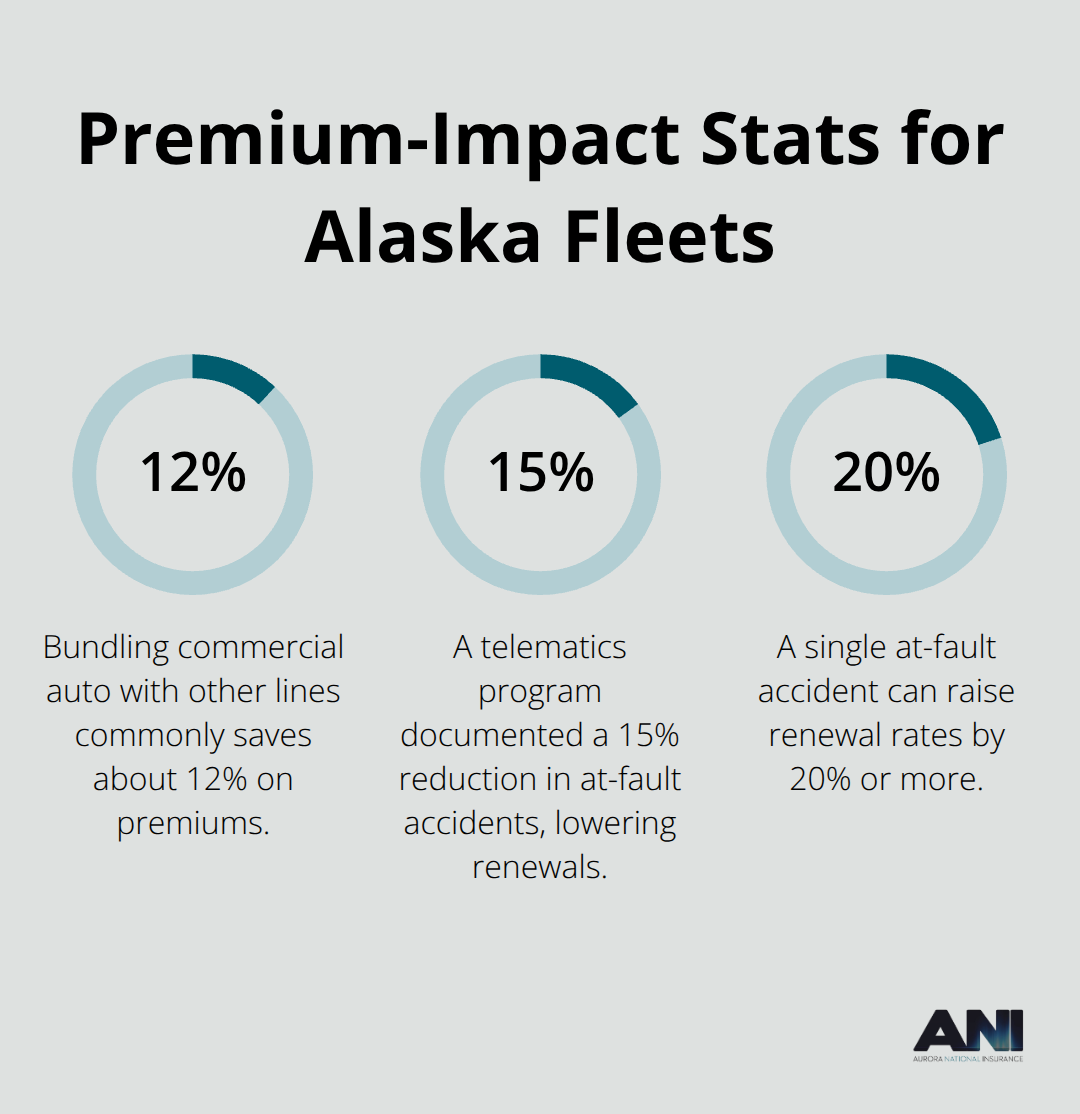
Discount opportunities exist across safety programs, fleet size, and loss history, but only if your provider actively identifies and applies them. Anti-theft devices, driver safety training programs, and formal maintenance schedules reduce claim frequency and severity, which carriers recognize through premium reductions ranging from 5 to 15 percent depending on the program. A fleet with documented driver training, telematics monitoring, and preventive maintenance records qualifies for substantially lower premiums than an identical fleet without these programs.

Request specific discount information during the quoting process and ask whether discounts apply immediately or require documentation of completed programs. Your provider should explain exactly which safety investments produce measurable premium savings.

Review Coverage Options and Endorsements

Coverage options beyond basic liability and physical damage address Seattle-specific exposures that standard policies often exclude. Inland marine coverage protects fleet equipment and tools; non-owned auto endorsements cover owner-operators; and higher uninsured motorist limits protect against the estimated 13 percent of drivers operating without adequate insurance. Verify that any quote includes medical payments coverage for your drivers, workers compensation compliance with Washington requirements, and appropriate cargo coverage if you transport goods.

The cheapest quote frequently lacks critical endorsements, which means you discover coverage gaps only after an accident occurs. A thorough review of what each quote actually covers prevents expensive surprises later.

Final Thoughts

Seattle fleet owners operate in one of America’s most challenging environments for commercial vehicles, where high traffic density, wet weather exposure, and strict regulations demand insurance coverage that exceeds federal minimums. The right Seattle commercial vehicle insurance protects your business from accidents that could otherwise devastate your operation, but selecting that coverage requires understanding both your actual risks and what different providers genuinely offer. Your next step involves gathering quotes from multiple carriers that understand Pacific Northwest conditions, since generic quotes from national providers miss Seattle-specific exposures like weather-related claims, port operations, and bridge crossing risks.

Request detailed quotes that reflect your actual fleet size, routes, cargo types, and driver experience, then compare not just premiums but what each quote actually covers-liability limits, physical damage protection, workers compensation compliance, and critical endorsements like non-owned auto coverage and uninsured motorist protection. Local agents matter because they access multiple carriers simultaneously, identify discount opportunities you’d miss alone, and understand which coverage gaps matter most for Seattle operations. An agent familiar with regional claims patterns, FMCSA and Washington DOT requirements, and local repair costs will recommend limits and endorsements that actually protect your business rather than just meeting legal minimums.

Get an instant online quote to see how competitive pricing and tailored coverage compare to what you’re currently paying for your fleet. Your fleet’s protection depends on making informed decisions now, before an accident forces you to discover what your current coverage actually covers.

The information provided in this blog is for general informational purposes only and does not constitute legal, financial, or insurance advice. Coverage options, terms, and availability may vary. Please consult with a licensed professional for advice specific to your situation.
Artificial intelligence may have been used to generate text and images in some blog articles.
Anchorage Home Insurance Rates: Finding Affordable Local Coverage

Anchorage home insurance rates vary widely depending on where you live and what risks your home faces. Alaska’s severe weather, from heavy snow to earthquakes, directly impacts what you’ll pay for coverage.

At Aurora National Insurance, we help homeowners cut through the confusion and find policies that actually fit their budgets. This guide walks you through what drives your premiums and how to lower them without sacrificing protection.

What Drives Your Anchorage Home Insurance Costs

Alaska’s Weather and Natural Disasters Create Real Costs

Alaska’s weather creates real financial pressure on homeowners. Winter storms, heavy snow loads, and ice damming cause significant structural damage each year. The Cold Climate Housing Research Center found that ice damming results from air leaks, insufficient insulation, and improper ventilation-problems that lead directly to roof and water damage claims. Anchorage also faces earthquake risk, though standard homeowners policies exclude earthquake damage entirely. You need a separate earthquake endorsement, which typically carries a deductible around 10% of your home’s value. This means a $300,000 home could require a $30,000 deductible for earthquake coverage.

Flood damage presents another gap in standard policies. The National Flood Insurance Program notes that typical homeowners policies don’t cover flooding, and FEMA flood maps should guide your assessment of local risk. If your property sits in a flood zone, private flood insurance or NFIP coverage becomes essential, though coverage doesn’t start for 30 days after purchase.

Home Age and Construction Materials Impact Your Premium

Home age and construction materials matter far more than many homeowners realize. MoneyGeek’s analysis shows that a home built in 1980 costs roughly 53% more to insure than an identical 2020 home-about $1,446 versus $944 annually. Older roofing, outdated electrical systems, and deteriorated foundations increase claim frequency and severity. Insurers charge more for these homes because they pose higher risk.

Your Anchorage Neighborhood Determines Your Rate

Your location within Anchorage creates the biggest rate swings. The Zebra’s data across 83 million insurance rates nationwide shows ZIP code 99516 averages about $911 annually, while 99503 reaches $1,074-a difference of $163 per year for the same coverage. Anchorage’s overall average sits around $995 per year according to NerdWallet, but this masks significant neighborhood variation driven by local crime rates, fire risk, and emergency service proximity.

Credit Score Affects Your Bottom Line More Than You Think

Your credit score heavily influences pricing. MoneyGeek found that poor credit can push premiums to $1,985 yearly versus $1,004 for excellent credit-nearly double the cost. This 53% spread means improving your credit from poor to good could save roughly $981 annually on the same policy. These rate differences exist because insurers view credit as a predictor of claim behavior and financial responsibility.

Hub-and-spoke graphic of core factors affecting Anchorage home insurance costs - Anchorage home insurance rates

Understanding these cost drivers helps you identify which factors you can control and which ones require different solutions. Choosing a local insurance agency can help you navigate these variables and find policies that match both your protection needs and your budget.

How to Compare Home Insurance Quotes in Anchorage

Get Multiple Quotes From Different Carriers

Shopping for Anchorage home insurance without comparing multiple carriers leaves money on the table. The Zebra’s analysis of over 83 million insurance rates shows that price gaps for identical coverage in Alaska can be nearly fourfold-some insurers quote $74 per month while others charge $268 for the same protection. This massive spread means you need at least three quotes to find real savings. When you request quotes, standardize the comparison across all carriers. Use identical coverage limits: $300,000 dwelling coverage, $300,000 liability, $150,000 personal property, $60,000 loss of use, and a $1,000 deductible as your baseline. This consistency reveals real price differences rather than mixing different coverage levels.

Liberty Mutual, Country Financial, and State Farm consistently offer affordable Anchorage options, with Liberty Mutual averaging around $739 yearly, Country about $784, and State Farm near $830 according to The Zebra’s data. However, affordability varies by your specific ZIP code and home characteristics, so treat these averages as benchmarks only. Regional carriers like Umialik Insurance average around $74 monthly in Alaska-substantially lower than household names-yet many Anchorage homeowners never consider them simply because they’re unfamiliar.

Compact checklist for standardizing home insurance quote comparisons in Anchorage

Understand What Each Policy Covers

Standard homeowners policies exclude critical Anchorage risks, so examine coverage details carefully. Flood damage isn’t covered by any standard policy-you need separate flood insurance with its typical 30-day waiting period. Earthquake coverage requires an additional endorsement carrying roughly a 10% deductible on your home’s value. Water damage from sewer or drain backups needs specific coverage that many basic policies omit.

Checklist of coverage gaps and add-ons Anchorage homeowners should consider - Anchorage home insurance rates

When comparing quotes, verify whether each policy includes replacement-cost coverage for personal belongings, which pays what items cost today rather than their depreciated value. Check if the policy offers inflation guard riders that automatically increase your dwelling coverage annually to match construction cost inflation. Ask each carrier about available discounts-bundling home and auto typically saves 10% to 25% on both policies, while security systems, smoke detectors, and newer roofs can reduce premiums by 10% to 20%.

Look Beyond Price to Find Real Value

The cheapest quote doesn’t always deliver the best protection. NerdWallet’s analysis weights consumer experience, financial strength, coverage options, and available discounts when rating Alaska insurers, with Chubb, USAA, and State Farm earning the highest marks. A carrier that charges $50 less annually but offers weaker coverage or slower claims service costs you more in the long run.

Request quotes from carriers you’ve never heard of alongside the major names. This approach exposes you to regional options that often undercut national competitors. The final step involves verifying that each carrier actually issues new policies in Anchorage, since some insurers have stopped accepting new customers in Alaska. Once you’ve narrowed your choices to three finalists, contact each one directly to confirm current availability and ask about any additional discounts specific to your situation (such as military service, professional affiliations, or home improvements you’ve completed).

Ways to Lower Your Anchorage Home Insurance Premiums

Increase Your Deductible to Cut Annual Costs

The most direct way to lower your Anchorage premiums is to increase your deductible, and the numbers prove this strategy works. Increasing your deductible from $500 to $2,000 can significantly reduce your annual costs. This approach works because you accept more financial responsibility for small claims, which insurers reward with lower rates. The catch is simple: only increase your deductible if you can actually afford to pay it out of pocket when a claim happens. A $5,000 deductible saves money only if you have $5,000 in emergency savings available. If you’d struggle to cover that amount, stick with a $1,000 or $1,500 deductible instead.

Bundle Home and Auto Policies for Immediate Savings

Bundling your home and auto policies with the same insurer delivers immediate savings without requiring you to accept more risk. Bundling typically reduces your combined premium by 10% to 25% according to insurance data, which translates to real dollars across both policies. In Anchorage, bundling home and auto saves about 10% on average. State Farm customers who bundle pay roughly $977 for auto coverage, while those purchasing policies separately pay significantly more. USAA bundled rates sit around $825 for auto, and Allstate bundled customers see combined savings that make the two-policy approach substantially cheaper than separate quotes. The reason is straightforward: insurers want to retain customers across multiple products because it reduces their acquisition costs and increases customer lifetime value. Before you bundle, however, compare the bundled price against separate quotes from competitors-occasionally a different carrier offers better rates on one policy even if their bundle price seems attractive.

Install Security Systems and Upgrade Home Components

Security systems, fire alarms, and smoke detectors reduce your premiums by 10% to 20%, according to insurance industry data. These improvements work because they lower claim frequency and severity. A monitored security system that connects to local police reduces theft and break-in losses. Fire detection equipment catches problems early, preventing total loss situations. The investment typically costs $300 to $1,000 for a basic system, but the annual savings of $100 to $200 means the system pays for itself within five years. Newer roofs also qualify for discounts-replacing a roof before it fails signals to insurers that you maintain your home responsibly. Home age drove the biggest cost differences in our earlier discussion, but upgrading key components like roofing, electrical systems, or plumbing can offset some of that age-related premium burden. Ask your insurer specifically which improvements they’ll discount before you invest in upgrades.

Final Thoughts

Finding affordable Anchorage home insurance rates requires you to take three concrete actions. First, request quotes from at least three different carriers and compare them using identical coverage levels, since price gaps for the same protection can exceed 300 percent. Second, increase your deductible if you have emergency savings to cover it, bundle your home and auto policies, and install security systems or upgrade your roof-these moves typically save 10 to 25 percent on your premiums.

Alaska’s weather, your home’s age, and your neighborhood within Anchorage create the biggest cost drivers. You cannot change where you live or your home’s construction year, but you can control your deductible, your credit score, and which insurer you choose. Improving your credit from poor to good could save nearly $1,000 annually on the same policy.

Local expertise makes the difference between finding adequate coverage and finding the right coverage at the right price. An independent agency rooted in Alaska understands how permafrost, ice damming, and earthquake risk affect your specific property and which carriers offer the best rates in your ZIP code. Get an instant online quote to see how much you can save by working with agents who understand Anchorage’s unique risks and your budget constraints.

The information provided in this blog is for general informational purposes only and does not constitute legal, financial, or insurance advice. Coverage options, terms, and availability may vary. Please consult with a licensed professional for advice specific to your situation.
Artificial intelligence may have been used to generate text and images in some blog articles.
Alaska Rental Property Insurance: Local Coverage for Landlords

Owning rental property in Alaska comes with distinct challenges that landlords in the lower 48 states rarely face. Extreme weather, remote locations, and limited insurance options mean you need Alaska rental property insurance that actually fits your situation.

At Aurora National Insurance, we’ve helped countless Alaska landlords protect their investments with coverage designed for the state’s unique risks. This guide walks you through what you need to know.

Why Alaska Rental Property Insurance Costs More

The Alaska Premium Drives Prices Higher

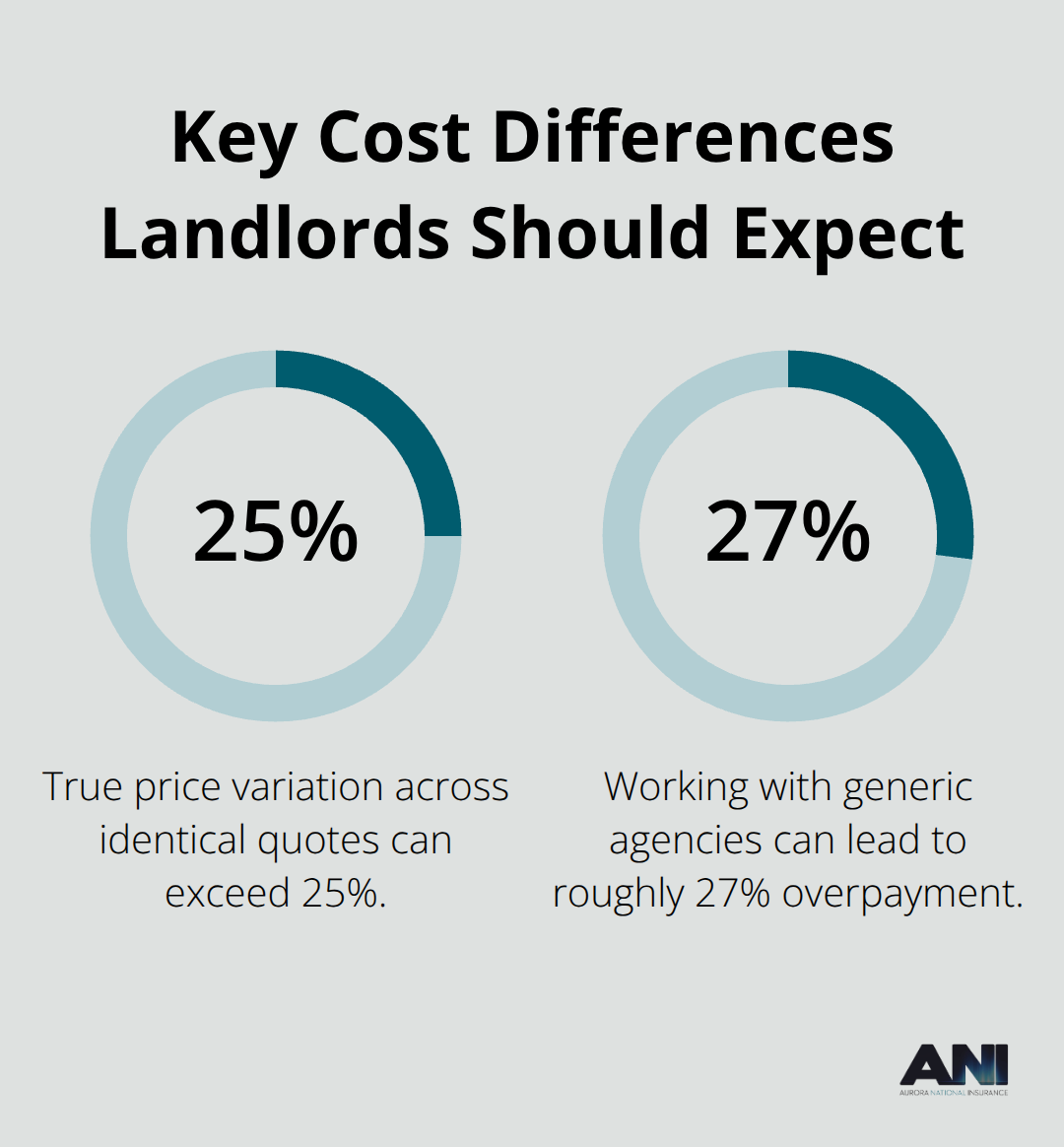
Alaska rental property insurance operates in an entirely different pricing environment than the continental U.S., and costs reflect genuine, measurable risk. Landlord insurance in Alaska averages around $1,230 per year, but that baseline masks the real story: premiums have surged over 25% in the last 18 months due to the Alaska Premium-the higher labor and shipping costs combined with severe weather exposure that underwriters factor into every quote. This isn’t theoretical pricing. When you need a roof repair in Anchorage or Juneau, contractors charge significantly more than in Seattle or Portland, and that reality flows directly into your insurance costs.

Earthquake and Flood Risks Require Extra Coverage

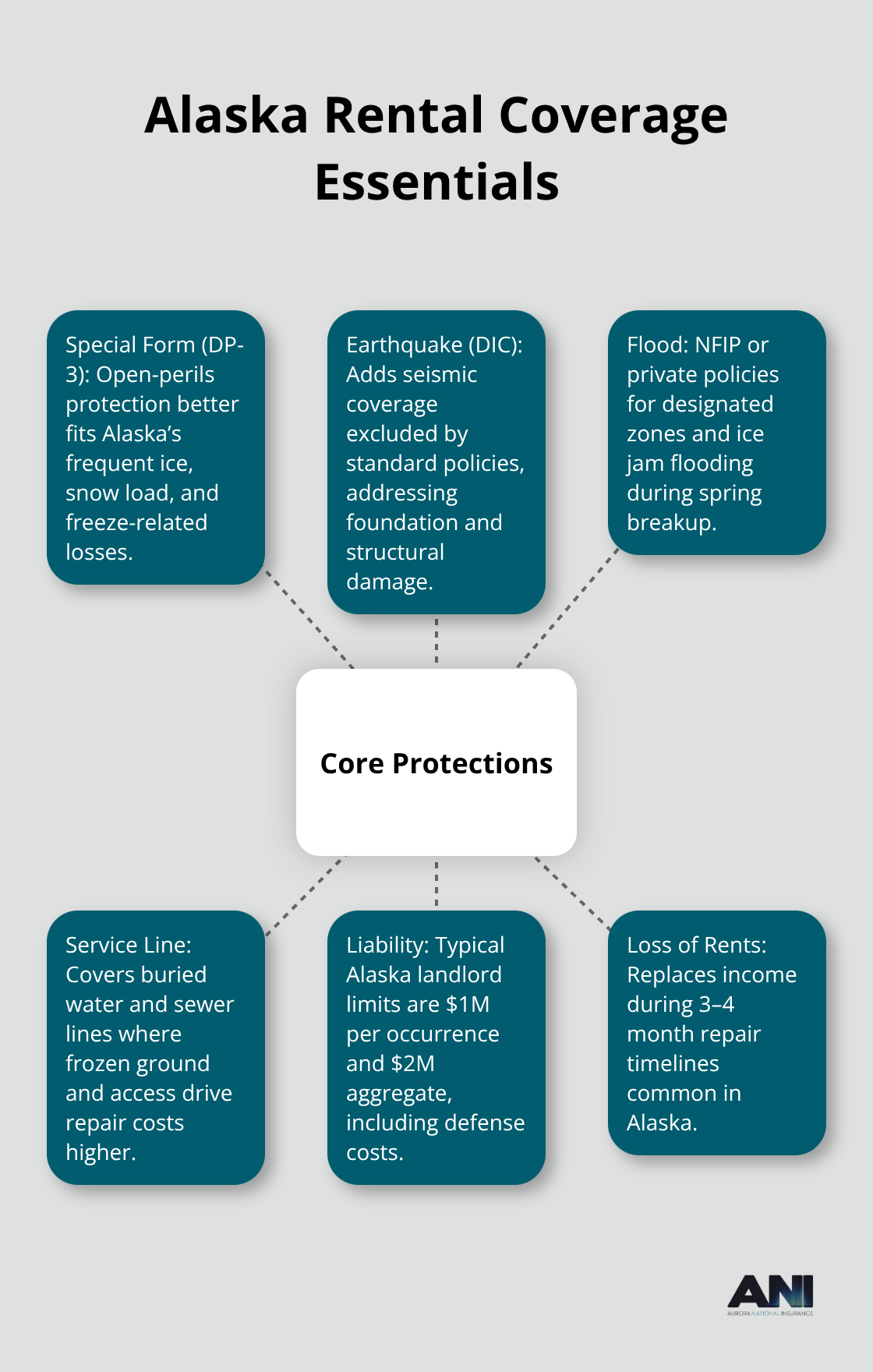
Alaska is the most seismically active state in the nation, which means standard landlord policies exclude earthquake damage entirely. You’ll need a separate Difference in Conditions endorsement to cover foundation damage from seismic activity, and most carriers require this as a non-negotiable add-on for Alaska properties. Flood risk compounds the problem: Alaska’s ice jams and spring breakups create flooding scenarios that generic insurance models don’t account for, forcing you to purchase separate National Flood Insurance Program coverage or a private flood policy if your property sits in a designated flood zone.

Remote Location Multiplies Replacement Costs

Remote location multiplies replacement costs in ways that catch many landlords off guard. A standard homeowners policy might work in Arizona, but an Alaska rental property needs dwelling coverage that reflects true replacement cost in your specific location-not a national average. Properties in rural areas face even steeper premiums because access for repairs takes longer and costs more.

Limited Carriers and Policy Types Shape Your Options

Limited carrier options in Alaska mean you shop from a smaller pool than landlords in populated states, and that scarcity drives prices upward. Industry data shows Alaska landlords commonly overpay about 27% by working with generic agencies that don’t understand local risk factors. The difference between a DP-1 Basic policy and a DP-3 Special Form policy runs substantial-DP-3 covers open perils and is what most Alaska landlords choose because it protects against the broader range of weather-driven damage the state delivers.

Percentage of Alaska landlords who overpay when using generic agencies

Deductibles, Underinsurance, and Maintenance Records

Deductibles matter enormously here: raising your deductible from $500 to $1,000 or $2,500 lowers premiums noticeably, but in Alaska’s climate, small claims add up fast and can trigger future rate increases or coverage denials if claimed repeatedly. The math demands that you understand your property’s actual replacement cost value and insure to that amount, not a percentage less. Underinsurance penalties apply if you fall short-you’ll pay more out-of-pocket when a claim hits because the insurer reduces your payout proportionally. Documented upgrades like new roofs, updated heating systems, and robust weatherproofing signal lower risk to underwriters and yield meaningful rate credits, so you should keep maintenance records and present them at renewal time. Understanding these cost drivers prepares you to select the right coverage type and limits for your specific property, which brings us to the coverage types that every Alaska landlord actually needs.

The Three Coverage Types That Protect Your Alaska Rental Income

Dwelling Coverage: Get the Limit Right

Standard landlord policies in Alaska come in three forms: DP-1 Basic covers named perils like fire and theft, DP-2 Broad adds windstorm, hail, and smoke damage, and DP-3 Special Form covers open perils and is what most Alaska landlords should choose because it protects against nearly everything except flood, earthquake, and a few other excluded events. The critical decision isn’t the form type-it’s the coverage limit itself. You must insure the dwelling to full replacement cost value in your specific location, not a national average or a percentage less than replacement cost.

Underinsurance penalties hit hard. If you insure a property worth $300,000 to replace for only $240,000, and a covered loss hits for $100,000, the insurer calculates your payout as $80,000 because you failed to meet the coinsurance requirement. That $20,000 gap comes straight from your pocket. In Alaska, where labor and materials run 30-40% higher than the continental U.S., this mistake costs thousands.

Have a professional rebuild estimate completed every two to three years and adjust your dwelling limit accordingly. Documented upgrades to your heating system, roof, or plumbing reduce your rebuild estimate and lower premiums, so keep receipts and share them at renewal.

Hub-and-spoke diagram of dwelling coverage, liability and medical payments, and loss of rents - Alaska rental property insurance

Liability and Medical Payments: Protect Against Injury Claims

Liability coverage protects you when a tenant, guest, or visitor gets injured on your property and sues. Alaska’s icy walkways and extreme weather create genuine injury risk, which is why general liability typically runs higher here than in other states-most landlords carry $500,000 to $1,000,000 per occurrence limits, and many lenders require the higher amount.

Premises medical payments, usually included at around $5,000 per occurrence, covers immediate medical costs if someone gets hurt on your property regardless of fault. This coverage often prevents lawsuits before they start because injured parties receive prompt payment for their medical bills.

Loss of Rents: Replace Your Income During Repairs

Loss of rents coverage reimburses you for lost rental income if a covered peril makes the property uninhabitable during repairs. If your rental brings in $3,000 monthly and a fire requires three months of repairs, loss of rents coverage pays you $9,000 instead of leaving you with a vacant property and zero income while reconstruction happens.

The cost is modest-typically around $1 per $1,000 of annual rent-so a $36,000 annual rent might cost only $36 per year for a $36,000 loss-of-rents limit. Alaska landlords with mortgages often discover their lender requires this coverage anyway, so the real question is whether you’re buying enough.

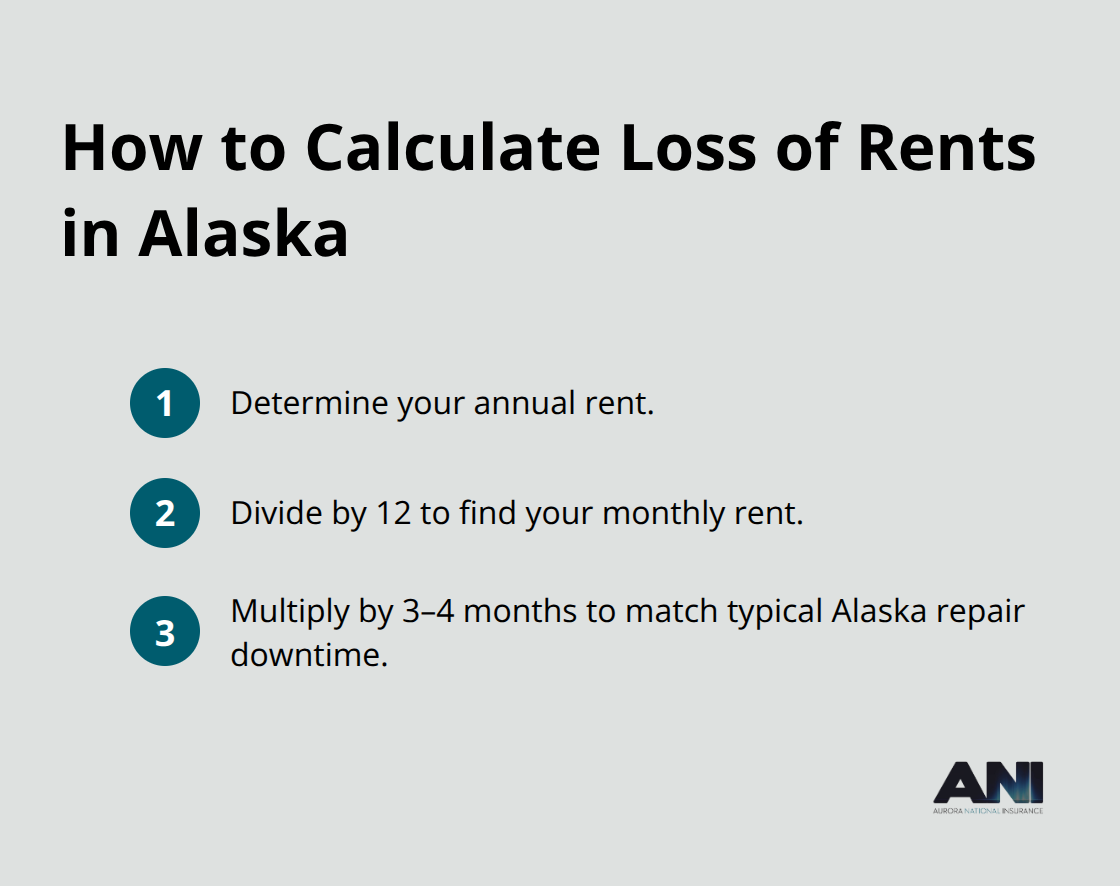
Calculate your annual rental income, divide by 12 to get monthly rent, then multiply by the number of months your property would realistically sit vacant during major repairs. In Anchorage or Juneau, try at least three to four months for serious structural damage. That calculation tells you the loss-of-rents limit you actually need, not what some agent suggests. Once you understand what coverage protects your property and income, the next step is finding the right insurance provider who knows Alaska’s specific landscape and can match you with carriers that deliver both competitive rates and reliable claims support.

Finding the Right Alaska Insurance Agent

Specialize or Overpay: The Agent Decision Matters

The difference between paying 27% too much for landlord insurance and getting a fair price often comes down to one decision: who you hire to shop your coverage. Alaska’s insurance market does not reward laziness. Generic agencies that operate nationwide treat Alaska like any other state, missing the specific risk factors that drive your actual costs. An agent who knows Alaska rental properties will flag that your property sits in an earthquake zone and recommend a Difference in Conditions endorsement before you discover the exclusion on a claim. That same agent will ask about your roof age, heating system condition, and documented maintenance records because these factors yield 10-15% rate reductions that generic agencies never uncover. When you contact an insurance provider, ask directly whether they specialize in Alaska rental properties and how many Alaska landlords they represent. If the answer is vague or they treat you like any other state, move to the next call.

Request Identical Quotes Across Multiple Carriers

Comparing quotes across multiple carriers is non-negotiable, but comparison only works if you look at identical coverage. Request quotes for the same dwelling limit, deductible, liability limit, and loss-of-rents coverage from at least three carriers so you see actual price differences rather than comparing apples to oranges. Document your property’s square footage, year built, roof condition, heating system type, and whether you have any prior claims, because these details shift premiums significantly.

Compact checklist of steps to get apples-to-apples insurance quotes in Alaska - Alaska rental property insurance

Once you receive quotes, verify that each one reflects your property’s actual replacement cost value by checking the dwelling limit against a recent professional rebuild estimate. If a carrier quotes you for $250,000 in dwelling coverage but your property costs $350,000 to replace, you are underinsured and will face coinsurance penalties when a claim hits.

Verify Coverage Gaps and Carrier Strength

Ask each agent to walk you through their carrier’s DP-3 coverage exclusions, especially around flood and earthquake, so you know exactly what gaps exist and what endorsements you need to close them. Request that your quotes include AM Best ratings for each carrier because lenders typically require A- VIII or better, and weaker carriers may deny coverage or disappear during claims surges. This step protects you from binding coverage with a financially unstable insurer who cannot pay claims when disaster strikes Alaska properties.

Evaluate Policy Flexibility and Rate Lock Terms

Ask about month-to-month policy options versus annual lock-ins, since Alaska’s market moves fast and you want flexibility to switch if a carrier raises rates dramatically at renewal. Some carriers offer month-to-month terms that let you adjust coverage as your property portfolio grows or market conditions shift. Others lock you into annual agreements that leave you stuck with unfavorable rates for twelve months. Understanding these terms upfront prevents surprises and keeps your options open as Alaska’s insurance landscape continues to shift.

Final Thoughts

Alaska rental property insurance protects your income stream and financial stability in a state where standard policies fail to deliver adequate protection. Your dwelling limit must reflect actual replacement cost in your location, not a national average, because underinsurance penalties will cost you thousands when a claim hits. The agent you select determines whether you pay fair rates or overpay by 27 percent, which is why working with someone who specializes in Alaska rental properties makes a measurable difference.

An agent familiar with Alaska rental properties knows which carriers offer month-to-month flexibility, which ones provide the strongest earthquake endorsements, and how to structure your loss-of-rents coverage to match your actual income. They understand that a roof in Juneau ages differently than one in Seattle, that heating system failures drive claims in ways other states never see, and that documented maintenance records yield real rate credits. This expertise translates directly into lower premiums and better coverage alignment.

Contact an independent Alaska insurance agency that represents multiple carriers and can shop your Alaska rental property insurance across different options. At Aurora National Insurance, our Anchorage-based team understands Alaska’s rental property landscape and delivers tailored comparisons from top-rated carriers with instant online quotes. Request quotes today and verify that your coverage reflects your property’s true replacement cost, your liability exposure, and your income protection needs.

The information provided in this blog is for general informational purposes only and does not constitute legal, financial, or insurance advice. Coverage options, terms, and availability may vary. Please consult with a licensed professional for advice specific to your situation.
Artificial intelligence may have been used to generate text and images in some blog articles.
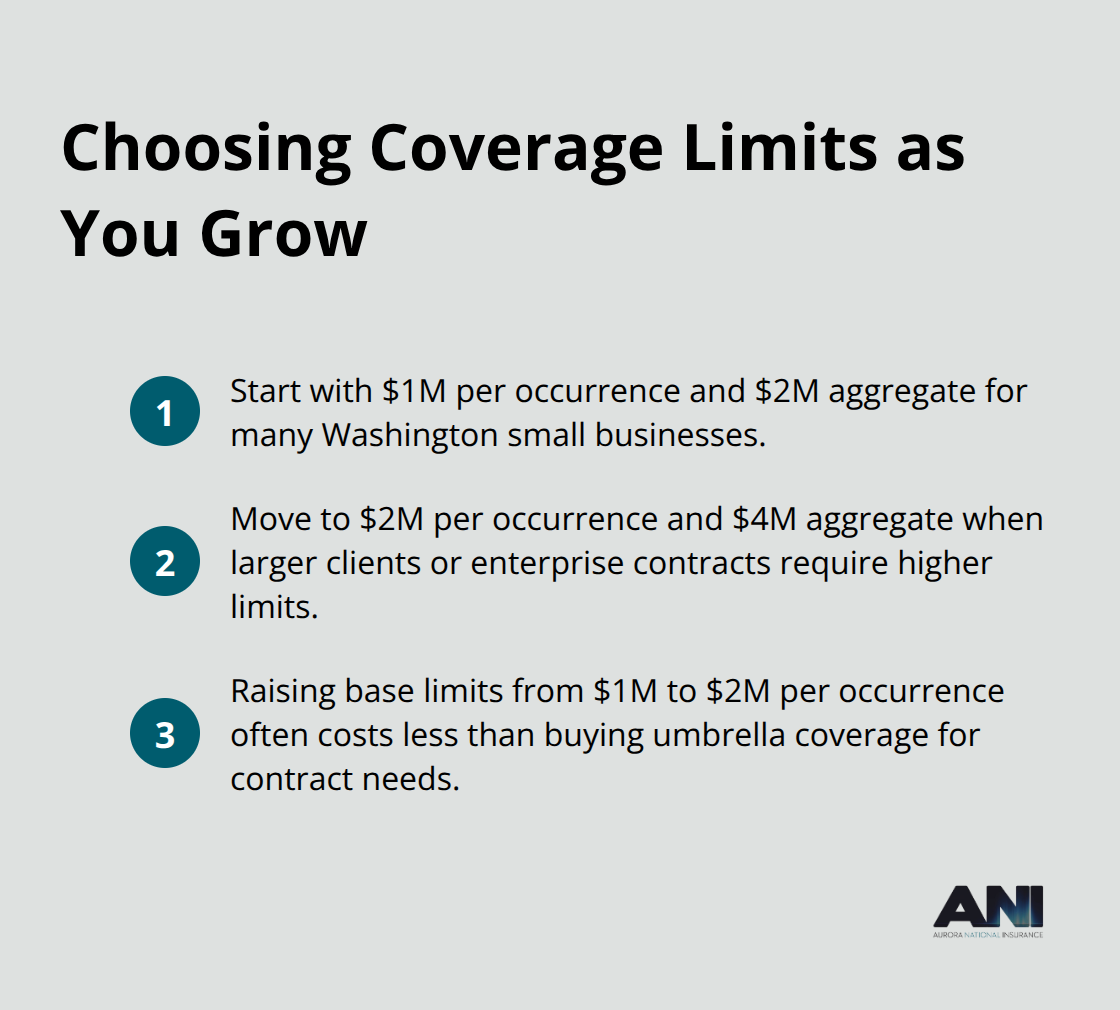
Washington Rental Property Insurance: Local Solutions for Property Owners

Owning rental property in Washington comes with real financial exposure. Tenant injuries, property damage, and lost rental income can drain your savings fast.

Standard homeowners policies leave you vulnerable in these exact situations. At Aurora National Insurance, we’ve helped countless Washington property owners protect their investments with coverage designed specifically for rental properties.

Why Rental Property Insurance Protects Your Bottom Line

Liability Claims Can Devastate Your Finances

Liability claims from tenant injuries alone can cost $50,000 to $300,000 depending on severity, and standard homeowners policies explicitly exclude rental properties. A tenant who slips on your stairs, gets injured by a defective appliance, or claims discrimination can file a lawsuit that decimates your equity if you lack proper coverage. Most landlords across Washington assume their homeowners policy covers rental units-it does not. Rental property insurance provides the liability protection you need, typically starting at $500,000 in coverage for single-family rentals and scaling up for multifamily buildings.

Property Damage Happens More Often Than You Think

Property damage occurs constantly in rental units. Tenants cause damage through negligence or intentional acts, pipes freeze and burst during winter, and wind or hail from Pacific storms damage roofs and siding. A single burst pipe can cost $3,000 to $25,000 in repairs, and if the damage makes the unit uninhabitable, you lose rental income immediately. Standard homeowners policies will not pay for any of this because the property is occupied by tenants, not you.

Lost Rental Income Drains Cash Flow Fast

Loss of rental income is the financial killer most landlords underestimate. If a fire or major weather event forces repairs lasting three to six months, your mortgage, property taxes, and maintenance costs continue while rent stops coming in. In dense markets like Seattle, a six-month vacancy translates to over $13,000 in lost gross revenue on a modest two-bedroom rental. Rental property insurance includes loss-of-income coverage that replaces your actual rental income while repairs happen, preserving your cash flow when you need it most.

Washington’s Climate Creates Unique Risks

Western Washington experiences heavy rainfall and windstorms that damage roofs and gutters, while eastern Washington faces wildfire exposure that increases annually. The Cascadia subduction zone creates a 14 percent chance of a magnitude-7 earthquake within the next 50 years, another threat standard policies do not address. So ensure you add earthquake coverage in Washington. Understanding these regional hazards helps you select the right coverage limits and endorsements for your specific situation.

What Homeowners Policies Actually Exclude

Your Homeowners Policy Stops Working the Moment You Rent

Your homeowners policy was written to protect owner-occupied residences, not rental investments. The moment a tenant signs a lease, your standard homeowners coverage becomes invalid for that property. Insurance companies treat rental properties as commercial ventures with higher risk profiles than owner-occupied homes. A tenant injury, stolen appliance, or months of vacancy create exposures that homeowners underwriting never contemplated. Washington property owners who discover this gap only after a loss occurs face complete financial exposure-and by then it is too late.

Liability Coverage Vanishes for Tenant Injuries

The liability section of your homeowners policy explicitly excludes injuries to people who rent your property. If a tenant falls on your deck, gets hurt by a malfunctioning heater, or claims the property caused illness, your homeowners insurer will deny the claim outright. Courts in Washington have upheld these exclusions repeatedly because the policy language is clear: coverage applies only to owner-occupied dwellings. A single tenant injury lawsuit can result in significant legal and settlement costs, and that money comes directly from your pocket without insurance protection. Rental property insurance provides liability coverage for single-family rentals, with multifamily buildings requiring higher limits depending on unit count and local risk factors.

Lost Rental Income Receives Zero Protection

Your homeowners policy ignores lost rental income entirely, treating the property as a structure rather than an income-producing asset. When a fire, severe weather, or pipe burst makes a unit uninhabitable, your mortgage and property taxes keep coming due while tenant rent stops arriving. Landlords face substantial financial pressure during extended vacancies, yet homeowners policies offer zero reimbursement for this income gap. Rental property insurance includes loss-of-income coverage that replaces your actual rental revenue while repairs happen, typically covering 12 to 24 months of lost rent depending on the policy. This protection preserves your cash flow during the restoration period and prevents you from tapping savings or taking loans to cover fixed expenses.

Tenant-Caused Damage Falls Outside Standard Coverage

Damage from tenant actions-deliberate vandalism, negligent water leaks, or theft-falls outside homeowners coverage because the policy assumes you occupy the property and control its use. Tenants damage rental units far more frequently than owner-occupants damage their own homes, making this exclusion substantial. A single burst pipe costs $3,000 to $25,000 in repairs, and if the damage makes the unit uninhabitable, you lose rental income immediately. Standard homeowners policies will not pay for any of this because the property is occupied by tenants, not you. Rental property insurance covers these exact scenarios-the three areas where rental claims occur most often (liability, income loss, and tenant-caused damage).

Diagram showing key rental property risk categories for Washington landlords

Understanding Your Coverage Gap Matters Now

Washington property owners who rely on homeowners policies for rental units face complete financial exposure. The exclusions are not ambiguous or subject to interpretation; they are explicit and enforceable. Your next step involves selecting the right rental property insurance form and coverage limits that match your specific property type and local risk exposure.

How to Pick the Right Policy for Your Washington Rental

Start With Your Property Details

Your property specifics determine coverage needs because a single-family home in Spokane requires different protection than a four-unit building in Seattle. Document the dwelling’s age, construction type, roof condition, and replacement cost before requesting quotes. Properties with roofs older than ten years almost always need DP-3 coverage instead of DP-1 or DP-2 because DP-3 provides open-perils protection with customizable endorsements that match aging structures. Calculate your actual replacement cost by researching local construction expenses; the Associated General Contractors of Washington reported construction costs grew about 16 percent from 2020 to 2023, meaning your repair estimates from three years ago are now substantially outdated.

Assess Your Specific Hazard Exposure

Eastern Washington property owners face wildfire risk that increased 45 percent in acreage burned between 2017 and 2022, requiring smoke damage coverage that extends beyond on-premises events. Western Washington landlords encounter heavy rainfall and Cascadia earthquake risk that demands loss-of-income protection lasting at least six months and serious consideration of standalone earthquake coverage. The United States Geological Survey estimates a 14 percent chance of magnitude-7 earthquakes in the next 50 years, and earthquake damage runs $50,000 to $150,000+ per unit, making this exposure impossible to ignore.

Chart of explicit percentage statistics affecting Washington rental properties - Washington rental property insurance

Set Your Deductible Strategy

Calculate your maximum acceptable out-of-pocket loss before a claim occurs; if you cannot absorb $5,000 in repairs yourself, you need lower deductibles even if premiums cost more. Conversely, if you maintain substantial reserves, raising your deductible from $1,000 to $2,500 yields roughly 12 percent premium savings.

Obtain Multiple Quotes and Compare Carefully

Obtain at least three quotes from different carriers because premium variations for identical coverage often exceed 30 percent. Provide each insurer with identical property information including square footage, year built, number of units, roof age, and loss history to ensure apples-to-apples comparisons. Request explicit coverage details for water damage, vandalism, theft, and loss of rent duration since these vary significantly between DP-1, DP-2, and DP-3 forms. Ask specifically about exclusions for cannabis cultivation, short-term rentals like Airbnb properties, and vacant units because Washington’s legal environment creates coverage gaps that standard policies do not address.

Work With Independent Agents Licensed in Washington

Verify that liability limits match your property type; single-family rentals typically need $500,000 minimum, while multifamily buildings with four or more units require $1,000,000 or higher depending on tenant density and local lawsuit frequency. Consider adding umbrella coverage of $1,000,000 or more for multifamily properties because a single serious injury claim can exhaust standard liability limits quickly. Work exclusively with independent agents licensed in Washington who represent multiple carriers rather than captive agents working for single insurers. Independent agents shop your property across numerous companies simultaneously, identifying discounts for security systems, seismic shut-off valves, monitored alarms, and sprinkler systems that can reduce premiums by 5 to 12 percent. Some Washington counties offer up to 20 percent credits for sprinkler systems in multifamily buildings, savings that captive agents often miss entirely. Avoid online quote tools that lack human review because they frequently misclassify properties or miss endorsements critical for Washington’s unique risks. Your agent should explain exactly why DP-3 costs more than DP-2 and whether that additional expense justifies the broader protection for your specific property and financial situation.

Final Thoughts

Washington rental property insurance protects your income stream and equity when tenant injuries, property damage, or weather events strike. Standard homeowners policies leave you completely exposed in these situations, forcing you to cover liability claims, repairs, and lost rent from your own pocket. A single tenant injury lawsuit costs $50,000 to $300,000, a burst pipe runs $3,000 to $25,000 in repairs, and a six-month vacancy in Seattle eliminates over $13,000 in gross revenue-these scenarios happen regularly across Washington’s rental market.

Document your property details including age, construction type, roof condition, and replacement cost before requesting quotes. Assess your specific hazard exposure based on location: eastern Washington properties need wildfire coverage, western Washington rentals require earthquake consideration, and all Washington landlords should plan for loss-of-income protection lasting at least six months. Calculate your maximum acceptable deductible based on your financial reserves, then obtain at least three quotes from different carriers using identical property information to ensure accurate comparisons.

Compact checklist of steps for selecting landlord insurance in Washington - Washington rental property insurance

Work with independent agents licensed in Washington like Aurora National Insurance who represent multiple carriers rather than single insurers. These agents shop your property across numerous companies, identify discounts for security systems and monitored alarms that reduce premiums by 5 to 12 percent, and explain exactly why DP-3 coverage costs more than DP-2 and whether that expense justifies broader protection for your situation. Get started today with an instant online quote and take control of your rental investment’s financial security.

The information provided in this blog is for general informational purposes only and does not constitute legal, financial, or insurance advice. Coverage options, terms, and availability may vary. Please consult with a licensed professional for advice specific to your situation.
Artificial intelligence may have been used to generate text and images in some blog articles.
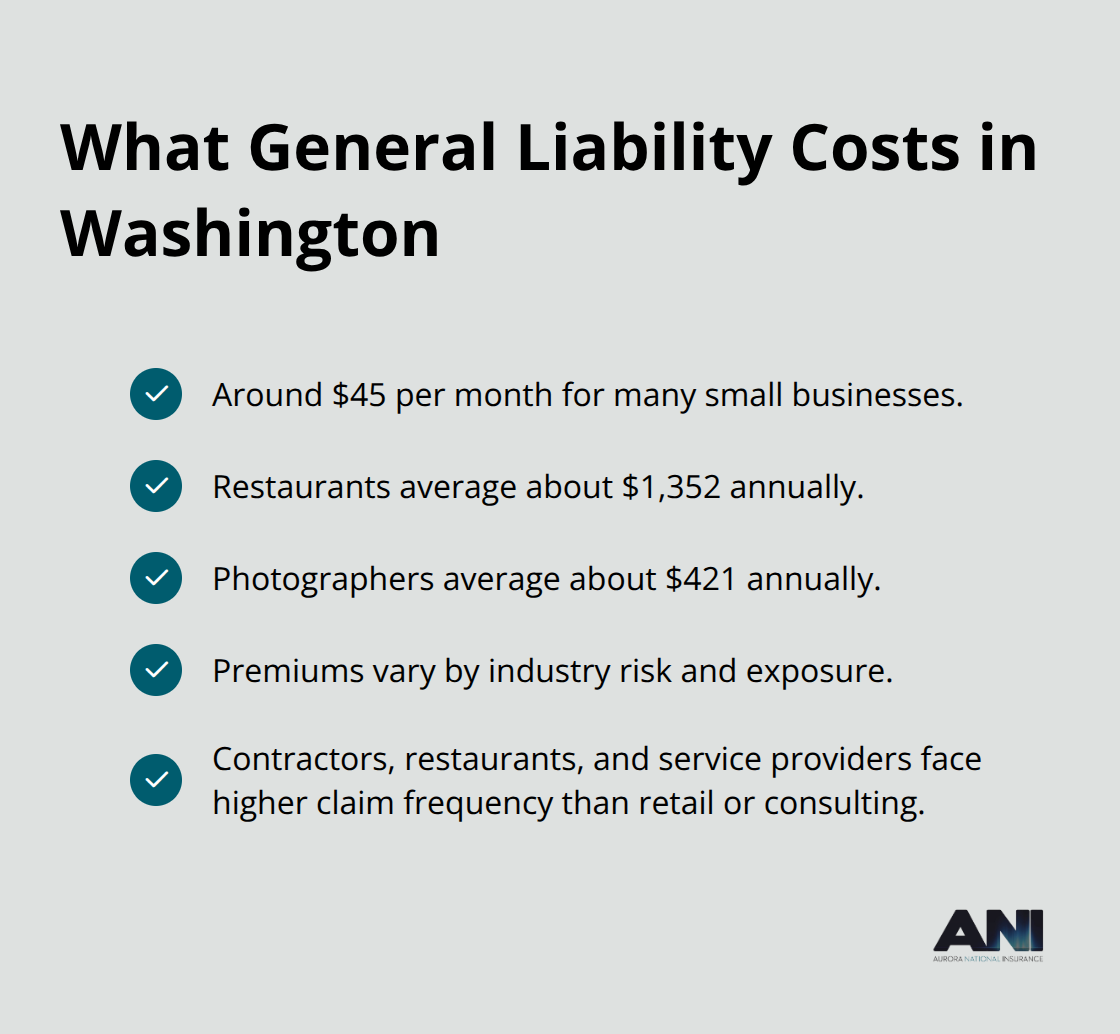
Master These 5 Habits Every Time You Enter Your Vehicle for to be a Safer Driver

Distracted driving has become a major concern, with thousands of injuries and fatalities reported each year. Not only does it pose a significant risk to ourselves and others on the road, but it has also led to skyrocketing insurance premiums and an increase in traffic accidents.

It’s crucial to understand that distracted driving goes beyond just texting or talking on the phone – it includes any activity that diverts your attention from the road, such as reading articles, eating, or grooming. To promote safe driving behavior, here are five habits you should master every time you get behind the wheel:

  1. Keep Your Phone Out of Reach: Make a conscious effort to put your phone out of reach when you enter your vehicle. Consider placing it in the back seat, your bag, or even the trunk. If you find it difficult to do so, constantly remind yourself, “Can it wait?” Most likely, the answer is yes. You can also put your phone on mute to avoid the temptation of reaching for it when it notifies you of incoming calls or messages. If you feel the need to be readily available, pull over and park your car before answering any calls.
  2. Set Up Your GPS Before Driving: Take the time to program your GPS or identify your destination before you start driving. Activate voice commands so that you can keep your eyes focused on the road at all times. This will help prevent distractions caused by trying to input directions while driving.
  3. Groom Before or After, Not While Driving: If you often find yourself running late and grooming on the go, it’s essential to break this habit. Instead, make it a practice to groom yourself once you have reached your destination or before you start your vehicle. This way, you can concentrate solely on driving and reduce the risk of accidents.
  4. Eat While Parked: Avoid the temptation of eating while driving. Instead, take a few minutes to park your car and enjoy your meal safely. This simple step can significantly reduce distractions and ensure that your focus remains on the road.
  5. Be a Role Model for Others: Lead by example when it comes to safe driving habits. Show your children how to avoid distractions while driving and explain the dangers associated with it. If you notice a friend or family member using an electronic device while driving, speak up and offer to assist them. You can offer to deliver their text messages, act as the co-pilot, or make necessary phone calls.

By adopting these safe driving habits, we can all contribute to a safer road environment. Remember, it’s not only about our own well-being but also the safety of those around us. Let’s strive to make a positive impact and promote responsible and focused driving for everyone’s benefit.

Essential Guide to Protecting Your Jewelry: Everything You Need to Know

Jewelry holds not only aesthetic value but also sentimental significance. Whether it symbolizes decades of marriage, has been passed down through generations, or commemorates a special occasion, its worth goes beyond monetary value. With this in mind, our local insurance agency aims to ensure that you have comprehensive protection for your precious pieces.

While the memories associated with your jewelry are irreplaceable, a robust insurance policy can offer financial security in the face of unforeseen events. Whether your jewelry is stolen, damaged, or lost during a leisurely swim in the ocean, insurance coverage can help ease the burden.

If you own jewelry valued at over $1,000, it’s advisable to consider obtaining an insurance policy endorsement specifically tailored to its worth. This endorsement can be seamlessly added to your existing home or renters insurance policy through what is known as a “floater,” an extension that provides coverage for valuables. A reliable policy will safeguard against theft and damage. The cost of coverage may vary but typically ranges from $1 to $2 per $100 in value annually. For instance, insuring a $5,000 ring could cost you approximately $50 to $100 per year. By contacting our agency, we will diligently assist you in finding the optimal coverage for your jewelry and address any concerns you may have regarding hypothetical scenarios.
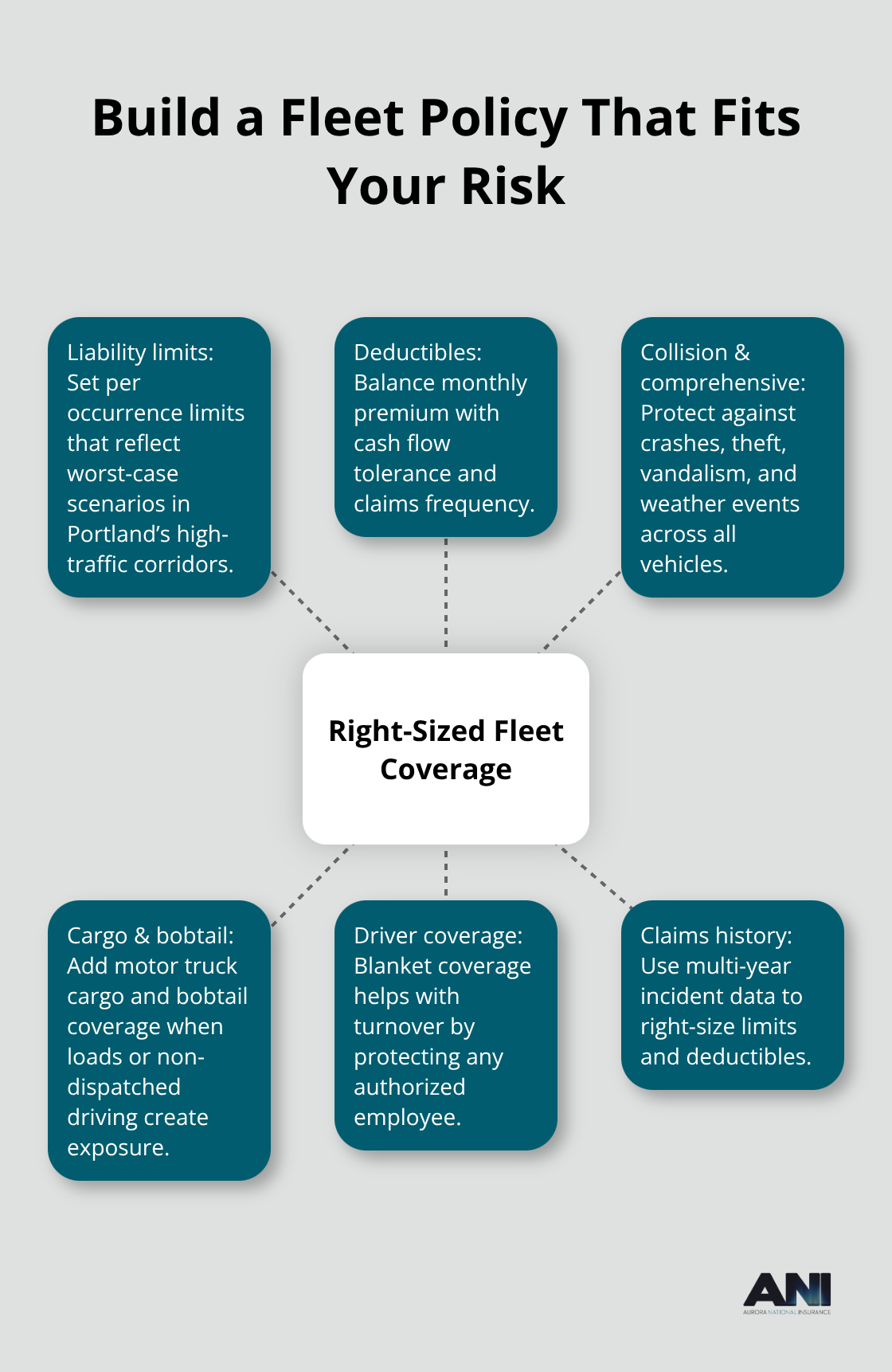
To ensure a thorough understanding of your insurance coverage, we encourage you to discuss the following questions with our agents:

  1. If your jewelry is stolen, will you be reimbursed for the full amount you initially paid? What if it is accidentally lost?
  2. If the value of your jewelry appreciates over time, will your insurance company honor its new value or only the purchase price?
  3. What happens if a small piece of your jewelry is lost? Will your insurance cover the cost of replacing the stone?
  4. Don’t forget to inquire about available discounts! Some insurance companies offer reduced premiums if you securely store your jewelry when not in use.

While we hope that you never encounter a situation requiring an insurance claim for your jewelry, it is crucial to be prepared. In the unfortunate event of loss or theft, gather the following items:

  1. Original receipt
  2. Appraisal document (if the original receipt is unavailable)
  3. Gemological Institute of America (GIA) certificate or a similarly reputable certification
  4. Photographs of all your jewelry items stored either on the cloud or a secure zip drive placed in your safe

Keep these essential items in a safety deposit box or a secure safe within your home. For more information on insuring your jewelry, do not hesitate to contact an agent at our office. We are dedicated to offering you the best insurance options for your precious pieces and addressing any further inquiries you may have.

The Importance of Having an Umbrella Insurance Policy

Protecting oneself from major claims or lawsuits and protecting assets and earnings is a priority for anyone. This is where an umbrella insurance policy comes into play, providing an additional layer of coverage that goes beyond traditional policies. By insuring your future, you can protect your home, cash savings, and future earnings from unforeseen circumstances.

But when would you actually need to utilize your umbrella insurance policy? The answer lies in situations where your existing auto, home, or personal insurance policy reaches its limit in covering a claim. Let’s consider an example: You are involved in a car accident where you are deemed at fault. Your insurance policy provides coverage of up to $250,000 for third-party damages. However, the total cost of medical attention and car repairs for the other individuals involved amounts to $350,000.

In this scenario, you would be responsible for the remaining $100,000. If you have an umbrella insurance policy, it would step in to cover this excess liability. However, without such a policy, the burden of paying the remaining balance would fall on your shoulders. In some cases, if you are unable to afford the amount owed, a court may even order the garnishment of your future wages.

Similarly, homeowners also need protection against liability claims. Whether it’s a situation where you host a party and serve alcohol, someone has a slip and fall accident on your property, or your dog bites a neighbor, you can be held liable for medical bills, rehabilitation programs, and lost wages.

By purchasing an umbrella policy, you can ensure coverage in various areas, including bodily injury, property damage, other damages (such as libel and slander), and legal fees. One of the advantages of having an umbrella policy is that it helps cover the cost of hiring an attorney, which can be quite expensive.

There are countless situations that can occur and surpass the liability limits of your existing home or auto insurance policy. The good news is that umbrella insurance policies are relatively affordable, with prices typically starting around $155 per year. To determine the appropriate coverage for your needs, it’s recommended to contact an agent at our office. We can provide you with a personalized umbrella insurance quote tailored to your specific circumstances.

In conclusion, having an umbrella insurance policy is an essential component of a comprehensive insurance strategy. It provides peace of mind, protects your assets, and ensures that you are prepared for any unforeseen events that may arise. Don’t wait until it’s too late. Invest in an umbrella insurance policy today and secure your financial well-being for the future.