
A Breakdown of Home Insurance Coverage
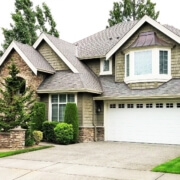
 If you are a homeowner, you have purchased your home insurance through a local insurance agent or directly through an insurance carrier. Home insurance cost and coverage vary due to where you live, how much your home is worth, your credit score and many other insurance factors.
Home insurance can be confusing so we recommend speaking with one of our agents and going through a home insurance review. Even if you have had a home insurance policy with us for years, it is still best practice to review it to ensure you still have adequate coverage. We can break down your insurance coverage details and make sure you have the best protection for your insurance needs.
Here are a few terms we can discuss with you:
Named perils: this part of your home insurance coverage protects your home from named perils that can include damage from wind, hail, fire, fallen objects, lightning, theft, vandalism and more. Home insurance named perils vary so our agents can discuss what’s covered if you have questions.
Actual Cash Value (ACV): this is the cost to replace the damaged item minus depreciation. If you have damage to your home, the insurance carrier would determine how much it was valued before the damage occurred. For example, if your roof was damaged but it was 10 years old, your insurance carrier may factor in how much a 10-year-old roof is worth today. You would receive the valued dollar amount to put towards a new roof.
Replacement cost value insurance: this represents the cost to replace an item of similar quality without factoring depreciation. Replacement cost policies are more expensive than ACV because you are essentially getting a brand new item. After asking you questions, we can help determine if this coverage makes sense for you.
Deductible: if you have to file a claim, your deductible plays a role in how much you have to pay before your insurance carrier pays towards your claim. Deductibles can vary in price and typically the higher your deductible, the lower your home insurance premium. Our agents can help explain your deductible options.
Liability insurance: your home insurance coverage can provide you with liability coverage. For example, if your dog bit someone or if someone slipped and fell on your property, liability coverage could provide you with coverage. Talk to us about liability limits.
Additional insurance policies to consider:
Flood insurance: home insurance typically does not cover you if your home experiences water entering your home. This is typically a separate policy many individuals buy. If your home is susceptible of floods, talk to an agent.
Earthquake insurance: just like flood insurance, earthquake insurance is also a separate policy. If your home is damaged from an earthquake, you would most likely need an earthquake insurance policy to have coverage for any damage.
Other structure coverage: if you have a detached garage, barn, swimming pool, greenhouse, or other structure, be sure to tell your agent. This needs to be included in your policy and may require additional coverage.
Water sewer coverage: claims occur when heavy rain or floodwaters overrun your sewer system or your sump pump. Debris from rainstorms or natural disasters can also clog your system causing damage to your home when the water backs up into your house’s plumbing. Many home insurance policies do not cover this and water sewer coverage is needed to pay for the damage. Talk to us about this coverage.
Umbrella insurance: if you file a home or auto insurance claim and the damage exceeds your policy limits, an umbrella insurance policy can give you thousands of additional dollars in protection. There are limitations on what umbrella insurance covers so discuss this with an agent in our office.
Vacant home insurance: if you own a home that is vacant, you still want to protect it. Talk to us about your situation and we can explain your coverage options.
Ready to shop home insurance? Give our agency a call or email us for a quote. We can help you find great coverage.
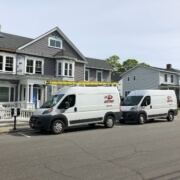
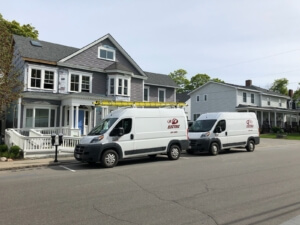 When many people think of a commercial auto insurance policy, they may think of big vehicles such as semi-trucks, box trucks, garbage trucks, etc. However, there are many variations of vehicles that would qualify for a commercial auto insurance policy.

 We all feel the impact of inflation. Whether it is at the gas station, grocery store and your insurance policies at renewal. Unfortunately, the insurance industry continues to be impacted as insurance carriers are forced to adjust their risk based on inflation and claims.

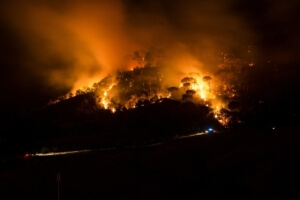 It is that time of year when we like to remind you of the importance of wildfire prevention. Preventing a wildfire requires a collective effort and best practices need to be utilized to lower our risk.
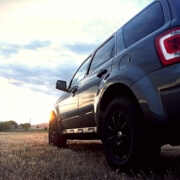
 When a person thinks about car theft, there are a few scenarios to imagine such as personal property items stolen out of your vehicle, car parts stolen from your vehicle, or your car was physically stolen and couldn’t be recovered.

 When it comes to
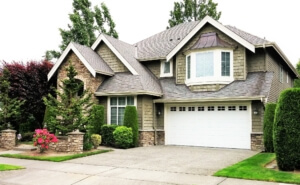 If you are a homeowner, you have purchased your home insurance through a local insurance agent or directly through an insurance carrier. Home insurance cost and coverage vary due to where you live, how much your home is worth, your credit score and many other insurance factors.

 Being in an accident can be a very frightening event. Being prepared to know how to handle the situation when it occurs will help you deal with the shock of it, and obtaining proper documentation helps support a claim. While accidents will happen to almost every driver, whether their car is parked and unattended, or while they’re driving, knowing these important steps will help you deal with the unfortunate situation.


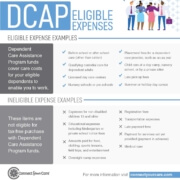
 Employers, did you know you could be helping your employees SAVE MONEY by setting up a Dependent Care Assistance Plan for them? Also referred to as a dependent care flexible spending account (FSA).