Do Rock Chip Claims Impact My Insurance Premiums?

We’ve all come across those tents offering “Free rock chip repair!” but it’s clear that there must be a catch somewhere. While insurance companies do cover the cost of injecting epoxy into the chip to prevent it from turning into an irreparable crack, there may be consequences to consider. After all, insurance companies prefer to pay $40 for a repair rather than $250 for a windshield replacement.

So, the question arises: Can filing a rock chip claim affect my insurance rates? The short answer is yes, it is possible.

Depending on your insurance company, multiple glass claims can upset the delicate balance of claims loss. Insurance companies typically factor in various rating criteria, including age, zip code, and previous claims when determining rates. Some insurers argue that individuals who frequently file glass claims have a higher overall loss rate, which translates into increased costs for the company.

Additionally, the number of claims you file within a specific time frame can play a role. For example, if you submit a theft claim and then file a rock chip claim the following week, it could raise a red flag on your policy due to excessive claim activity, potentially leading to a rate increase. This occurs because when you visit a rock chip repair tent, they ask for your policy number and file an insurance claim to receive payment (if you have comprehensive insurance).

It’s important to note that not all insurance companies follow this practice, and determining which ones do and which ones don’t can be challenging. It’s wise to rely on your local insurance agent to guide you to the best options for your insurance needs. For instance, if you commute frequently and find yourself needing a new windshield every year, your agent can help identify a company that may be more lenient regarding multiple claims. Some insurers even offer zero deductible glass replacement.

Regardless of your situation, it’s always advisable to discuss your insurance options with a licensed insurance agent who can provide personalized guidance.

In conclusion, filing rock chip claims can potentially impact your insurance rates. The decision to file a claim depends on various factors, and it’s essential to understand the policies of your specific insurance company. By consulting with your insurance agent, you can navigate the options available to find the best coverage for your needs. Let us help you with your auto insurance. We represent multiple companies and can find you the coverage and pricing you want.

8 Situations Requiring Umbrella Insurance: Protecting Your Assets

Having an umbrella insurance policy can provide valuable protection in various scenarios that exceed the limits of your standard coverage. Here, we highlight eight examples where an umbrella policy proves useful:
Babysitting Mishap:

Imagine your teenage daughter is babysitting the neighbor’s children. She briefly leaves the house to run an errand, and unfortunately, one of the kids gets seriously injured and requires expensive surgery. The parents of the child sue you for the medical bills, which exceed $300,000.

Defamatory Social Media Posts:

Your son expresses his discontent with his gym teacher on social media, making derogatory comments that result in a defamation lawsuit. The court awards the teacher $500,000 in damages.

Reckless Driving:

Your 17-year-old child takes friends for a joyride in your car, losing control and causing severe injuries to all occupants. Your umbrella policy helps cover the substantial medical expenses resulting from the accident.

Alcohol-Related Liability:

Hosting a 4th of July celebration, you provide alcohol to your guests. One friend, who consumes excessively, causes a fatal car accident. The victim’s family sues you for serving alcohol irresponsibly, and you are found liable. The consequences include significant legal expenses and potential damages.

Rental Property Accident:

A rotting deck on your rental property collapses, causing a tenant to suffer a severe leg injury requiring extensive surgery. A jury awards the tenant $750,000 in damages.

Negligence with Rental Equipment:

Renting a bouncy house for a wedding held on your property, you fail to secure it properly, leading to the house blowing away with children inside. Although the children are unharmed, the families sue you for negligence, resulting in a $100,000 award for each family due to mental and post-traumatic stress.

Dog Attack:

Your dog escapes and attacks a neighbor’s show dog, causing permanent scars and a limp, rendering it unable to participate in shows. The dog owner sues you for loss of income, resulting in a jury awarding $450,000.

Social Host Liability:

As the “cool parent,” you agree to provide alcohol to your kids and their friends as long as they stay at your house. Unfortunately, one of the friends leaves and is involved in a fatal accident while intoxicated. The parents of the deceased child sue you for providing alcohol to minors, leading to a jury awarding $2 million in damages.

These situations highlight the importance of umbrella insurance coverage when your existing liability limits on home or auto policies are exceeded. The good news is that umbrella policies are relatively affordable. To determine the best options for your needs, contact our office and request a personalized umbrella insurance quote today.

Ensure you have the necessary protection in place by considering an umbrella insurance policy. These examples illustrate the potential risks and the need for additional coverage. Reach out to us to explore our competitive rates for umbrella insurance and secure your financial well-being.

Safeguard Your Home And Guests From Hidden Hazards Associated With Fireplaces

Safeguard your home and guests from hidden hazards associated with fireplacesA fireplace is often considered one of the most enchanting features of a home, capable of creating a cozy and inviting atmosphere on cold evenings. However, it is essential to prioritize the proper maintenance of your fireplace to ensure the safety of your household and visitors.
Fireplace Safety and Maintenance Guidelines

Wood Burning Fireplaces:

Check the flue for obstructions: Before lighting a fire, inspect your chimney to ensure it is clear and free from any blockages. Sometimes, birds or other animals may take shelter in the chimney during the off-season, so it’s crucial to check if you haven’t used your fireplace for an extended period.

Keep glass doors open: If you have a traditional wood burning fireplace with glass doors, it is recommended to keep the doors open while using the fireplace. The doors are designed to insulate the room when the fireplace is not in use, rather than containing the fire. By keeping the doors open, you allow proper airflow for the fire while using a screen to prevent sparks and debris from causing damage.

Install a chimney cap: Chimney caps serve multiple purposes, such as protecting the chimney from rain and preventing birds and other creatures from entering. Additionally, installing a screen across the chimney helps prevent sparks from flying out, reducing the risk of fires on roofs or lawns.

Schedule a chimney sweep inspection: If you have burned 70-100 fires, it is advisable to contact a chimney sweep. They will clean any buildup in the chimney and conduct a visual inspection to ensure the chimney is structurally sound and free from potential hazards.

Gas Burning Fireplaces:

Install an oxygen-depletion sensor (safety pilot): Consider installing an oxygen-depletion sensor that acts as a safety mechanism. It can detect any malfunctions in the fireplace or excessive carbon monoxide levels, automatically shutting off the gas supply.

Place carbon monoxide detectors: Install carbon monoxide detectors near the fireplace and on every floor of your home. Ideally, position a couple of detectors per floor to provide comprehensive coverage.

Maintain a safe distance: Keep flammable objects, such as curtains and fabrics, at least three feet away from the outer edge of the fireplace. This precautionary measure minimizes the risk of fires or smoke damage.

Respond to gas odor promptly: If you detect a gas odor in your home, contact your gas company or call 911 immediately. Gas leaks can pose serious safety hazards and should be addressed promptly.

Keep the fireplace damper open: To prevent carbon monoxide from entering your home, ensure that the fireplace damper remains clamped open while the fireplace is in use.

Regardless of the type of fireplace, it is crucial to keep children and pets at a safe distance. Burning fireplaces consume oxygen and produce carbon monoxide, so maintaining functional carbon monoxide alarms is essential to ensure the safety of your family.

Regularly maintaining your fireplaces is just one critical step toward ensuring the safety of your home and guests. It also serves as an effective means of avoiding costly homeowner’s insurance claims and the emotional distress associated with fire-related incidents. By implementing these fireplace safety measures, you can enjoy the warmth and ambiance of your fireplace while keeping your loved ones protected.

Do you know what to do in a driving emergency?

Driving Hazards and what to do in an emergencyDriving hazards are a daily occurrence, and they can happen at any time of the year, regardless of the state you’re in. It’s crucial to know how to handle these hazards if they arise while you’re on the road.
Let’s explore some common driving hazards and the actions you can take to mitigate their impact.

Here’s what you can do to prepare:

Wildlife encounters: Colliding with a deer or other wildlife on the road can be a frightening and potentially dangerous situation. According to the U.S. Department of Agriculture, there are approximately 2 million collisions with animals each year in the United States.

  • Stay alert: When driving in rural areas, be mindful that wildlife is often present near roadways. Keep a vigilant eye on the sides of the road to spot any potential animals.
  • Avoid swerving: Swerving to avoid hitting an animal can lead to more severe accidents and injuries. Additionally, your insurance company might deem you at fault if you swerve and end up colliding with a tree or guardrail. Instead, maintain your course and brake firmly to reduce the impact.
  • Exercise caution at night: Animals tend to be more active during the evening, and some travel in groups. If you spot one animal, there’s a good chance there are more nearby. If there are two lanes, drive in the lane farthest away from the road’s edge.

Blown tires: Experiencing a blown tire can be startling, but knowing how to react can prevent accidents.

Consider the following steps:

  • Avoid slamming on the brakes: Abruptly hitting the brakes when a tire blows can worsen the situation, causing your vehicle to pull in the direction of the flat tire. Instead, gradually decelerate and safely move to the side of the road, as far away from traffic as possible.
  • Maintain steering control: A blown front tire can cause your vehicle to veer off course. Try to resist overreacting to the sudden jolt and swerving in the opposite direction, as this can lead to a loss of control.
  • Use a safety precaution when changing a tire: When replacing a tire, place the blown tire and wheel under the car slightly. This step can provide protection in case the jack fails, preventing the car from falling directly onto you.

Bugs in the car: Dealing with unexpected insects or spiders inside your vehicle can be unnerving.

Follow these tips to handle the situation safely:

  • Pull over safely: If you encounter a spider or bee in the car, it’s important to remain calm. Pull over to the side of the road carefully and allow the unwanted passenger to exit the vehicle.
  • Focus on the road: Avoid the temptation to swat at the insect while driving, as it can divert your attention from the road and increase the risk of a more serious accident.

Black ice: During the colder months, black ice can form on road surfaces, posing a significant hazard.

If you find yourself sliding on ice, remember the following:

  • Ease off the gas pedal: Many vehicles are equipped with stability control systems that can help correct sliding. Release the accelerator and allow your car to regain stability.
  • Lightly apply the brakes: Applying brakes on icy surfaces can worsen the situation. Instead, gently and progressively apply the brakes to slow down. Avoid slamming the brakes, as it can cause a loss of control.
  • Drive at a reduced speed: When temperatures start to drop, it’s advisable to drive more slowly. Keeping your speed under 45 mph during icy conditions can significantly reduce the chances of accidents.

While we cannot be physically present in your car to prevent hazards, we are here to assist you with any questions you may have about auto and home insurance. Your safety is our priority, and we want to ensure you have the protection you need in case of emergency. If you’d like to review your insurance coverage if the unavoidable happens, please reach out to our team.

Prevent A Home Disaster If Using Space Heaters

Space heaters offer a convenient and effective way to heat various areas such as garages, bedrooms, and workspaces like offices or shops. However, it is crucial not to overlook the potential dangers associated with these devices, particularly the risk of starting fires. Shockingly, the U.S. Consumer Product Safety Commission reveals that over 25,000 residential fires are caused annually by portable space heaters. Even more alarming, an estimated 300 individuals lose their lives each year due to fires caused by improper usage of space heaters. Additionally, thousands of people suffer from burn injuries that require hospital treatment, all stemming from the mishandling or improper use of these heating devices.
To ensure your safety when operating a space heater, regardless of its type, it is vital to adhere to the safety and operational instructions provided by the manufacturer. When purchasing a space heater, consider the following factors:

  • Ventilation: If you are buying propane or kerosene heaters, determine whether adequate ventilation is required.
  • Safety Certification: Check whether the unit you intend to purchase carries the “Underwriter’s Laboratory (UL)” label. UL is a respected global safety science company that has been pioneering safety solutions for over a century, including the safe adoption of electricity.
  • Thermostat Function: Does the unit have a built-in thermostat to regulate the temperature?
  • Tip-Over Safety Feature: Ensure that the space heater you choose includes a safety mechanism that automatically disables the device if it tips over.
  • Placement Considerations: Make sure your space heater can be positioned away from flammable materials, children, and pets.
  • Avoid Unattended Use: Never leave your space heater running overnight or unattended.

By utilizing space heaters properly, you can efficiently heat your living spaces while conserving energy. However, always remember to follow safety guidelines diligently and avoid leaving the device unattended or accessible to children. By practicing responsible space heater usage, you can enjoy the benefits of a warm environment while mitigating the risk of costly fires in your home.

As an Independent insurance agency, we are professionals who work independently, representing multiple insurance companies to provide clients with a wide range of coverage options tailored to your specific needs.

We act as your trusted advisors, offering personalized guidance and assistance in navigating the complex world of insurance, helping you make informed decisions about your coverage.

If you’d like to work with our agency, simply reach out and we’ll pair you with an agent for your personal and commercial needs.

Educate your teen driver on the “5 to drive” principles.

Teen Driver InsuranceThe National Highway Traffic Safety Administration (NHTSA) states that auto accidents are the leading cause of death for teenagers aged 15-19 in the United States. To combat these statistics, parents should have open conversations with their children about the risks associated with driving and emphasize the “5 to Drive” rules.
It’s crucial for parents to lead by example when it comes to following these five rules. If parents don’t adhere to the rules themselves, teenagers may not take them seriously. Take the time to educate your teen on the significance of each rule, using real-life scenarios and statistics to drive home the importance of the “5 to Drive” principles.

Five Principles to Discuss with Your Teen Driver

Alcohol: Discuss the dangers of drinking and driving with your teenager. Highlight the severe consequences such as jail time, loss of driver’s license, and fines that can result from accidents involving alcohol.

Make an agreement with your teen that you will pick them up if they find themselves in a situation involving alcohol, emphasizing the importance of preventing drinking and driving.

Seatbelts: Emphasize the habit of wearing seatbelts for safety. According to the NHTSA, 64 percent of young passengers and teen drivers who didn’t wear seatbelts died in motor vehicle accidents.

Train your teenager to buckle up every time they get into a vehicle until it becomes second nature.

Texting: It’s crucial to address the dangers of texting while driving. Distracted driving accidents continue to claim lives each year.

Teach your teen to put their cell phone away before getting behind the wheel or delegate any urgent texting tasks to a passenger.

Speeding: Reinforce the importance of following speed limits. Remind your teenager that when speed doubles, stopping distance quadruples.

In 2013, nearly one-third of teen drivers involved in fatal crashes were speeding, according to statistics.

Extra Passengers: Inform your teenager about the increased risk of fatal crashes when there are more passengers in the vehicle. Some states have restrictions on the number of passengers allowed for teenage drivers.

Familiarize yourself with your state’s Graduated Driver Licensing (GDL) law to ensure compliance.

Remember that you have the greatest influence on your teenager’s safety behind the wheel. Show that you care about their well-being and have meaningful discussions about the dangers of driving.

Furthermore, it is essential to lead by example and follow the five rules yourself. By continuing to educate and guide your teenager, you can help shape them into responsible and conscientious drivers.

Dog Bite Claims & Insurance Coverage

Insurance for dog bite claims in AlaskaDog bites can result in significant financial costs, with insurance companies paying out over one billion dollars annually for dog bite claims, according to the Insurance Information Institute. To safeguard yourself from potential out-of-pocket expenses stemming from a dog bite incident, it is crucial to ensure adequate coverage limits and consider obtaining an umbrella insurance policy.
While owning a dog can bring immense joy, it is essential to be aware of potential risks and take precautions to prevent dog bites. Dogs can become agitated or aggravated by small children pulling their hair, or tail, or accidentally stepping on them. As responsible pet owners, it is our duty to closely monitor our pets and never leave a dog alone with small children. Even if a dog is provoked, it remains the owner’s responsibility to prevent the pet from biting someone. While many claims involve minor bites that only require first aid, the resulting damage can still be severe, such as nerve damage in the hands or feet.

The Insurance Information Institute outlines three types of laws concerning pet liability:

Dog-bite statute: Under this statute, dog owners are automatically held liable for any injuries or property damage caused by their dogs, even without provocation.

“One-bite” rule: In certain states, owners are not initially held liable for the first bite their dogs inflict. However, once an animal demonstrates vicious behavior, such as biting or displaying a “vicious propensity,” the owner can be held liable. Some states have moved away from the one-bite rule and impose liability on owners for any injury, regardless of whether the dog has previously bitten someone.

Negligence laws: According to negligence laws, dog owners are held liable if an injury occurs due to their unreasonable carelessness in controlling the dog.

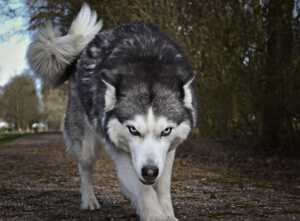
While it is essential to understand the specific dog bite liability laws in your state, prevention is always the best approach. The Humane Society provides several guidelines to avoid dog bites. Since dogs cannot communicate verbally, it is crucial to pay attention to their body language. Warning signs that a dog may be uncomfortable include

  • a stiff tail,
  • pulled-back ears,
  • intense stare,
  • backing away
  • visible signs of injury.

It is important not to take toys away from a dog abruptly, as this can provoke aggression. When someone asks to pet your dog, politely ask them to allow the dog to smell them first to ensure the dog is comfortable with the interaction. If your dog reacts negatively to someone, it is perfectly acceptable to inform that person that it is not a good idea to approach the dog.

While we hope that your beloved pup never bites anyone, unfortunate incidents can occur. Ensuring that your home insurance limits are adequate and considering the purchase of an umbrella insurance policy can provide additional protection for your finances in the event of such an incident.

Safety Tips to Remember This Halloween

Halloween Safety tips for your home in Anchorage, AKHalloween is a great holiday in many ways. Whether it is dressing up, decorating your home, watching a scary movie or simply enjoying some fun size candy, Halloween brings joy to all ages. Here are a few things to consider making the most out of your holiday.
  • Be aware of tripping hazards around your home

If your plan is to stay home and pass out candy, it is important you prep your home first. Whenever strangers step foot onto your property, you do have a liability risk. To lower your liability risk, be sure to check your driveway or stairway for tripping hazards. This can include hoses, extension cords, debris, loose decking boards, decorations or outdoor toys.

If someone were to trip or fall on your property, there could be a chance you are liable. Walk your property to make sure you do not have anything someone could trip on. If you live in a cold environment, you should also evaluate if there are any areas that are slick that someone could slip. While most people think of icy stairs, wet leaves and algae growth can also be something to think about.

Lastly, if you own a dog, have a plan. Some dogs do not like having strangers walk up to the door or may be disturbed when the doorbell rings. If your dog falls in this category, make a plan for what you can do to keep your dog calm. The last thing you want is to have your dog bite someone, as you could be liable.

  • Have a plan if trick or treating

Whether you are going trick or treating with your child or if your teenager wants to go trick or treating with friends make sure you have a plan for the night. What neighborhood provides good sidewalks? What are safety tips you can share with your teenager about walking in the dark or talking with strangers?

  • Pack safety gear & be extra cautious when driving

Whenever you are walking or driving at nighttime, you want to be extra cautious of your surroundings. If you plan to be walking around & trick or treating, be sure you pack safety gear such as a flashlight or a bright vest or reflective clothing. You want to be visible to drivers on the road and those two items can help. Glow sticks are also fun for kids to hold at nighttime.

If you will be out & about, be aware of trick or treaters. Drive slowly when entering your neighborhood. Some individuals may not be visible with flashlights or bright vests, so it never hurts to drive cautiously.

We hope you enjoy your Halloween. If you have questions about your insurance coverage, reach out to our agency. We are happy to do an insurance review or provide you with multiple quotes.

Do I Need Specific Insurance to Drive for Uber or Lyft?

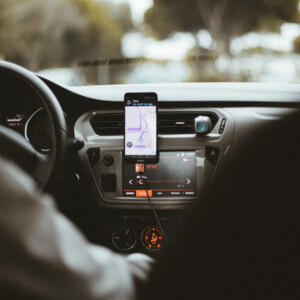
Uber or Lyft Insurance Anchorage, AKWhether you are thinking of starting a new career or simply want to make some extra income during your down time, working for companies like Uber or Lyft can be a good move. However, you will need specific insurance to be fully covered as your personal auto insurance policy and the insurance provided by Rideshare companies provides gaps in coverage or potential excess liability.
Ridesharing is defined as: individuals who use their own vehicle to transport people from point A to point B in exchange for money.

If you are considering working for other companies such as DoorDash, Grubhub, Postmates, Uber Eats, Instacart or other delivery type companies, you would want a rideshare insurance policy as well.

A rideshare insurance policy provides coverage during:

  • Waiting for a ride request.
  • When you accept a ride request and are on the way to pick up the rider.
  • When you pick up the rider & drive to the destination.

In what situations does my personal auto insurance cover me?

  • When you are offline or not using the Uber/Lyft app.
  • The period after you’ve dropped off a passenger but are still logged in and are waiting to match with another passenger (for instance, you roll forward and hit another vehicle with no rider in your car).

Does Uber or Lyft or any other rideshare company provide insurance for you?

Uber maintains insurance on your behalf such as third party liability, uninsured/underinsured motorist bodily injury and contingent comprehensive and collision coverage.

However, your current auto insurance policy may offer a rideshare endorsement that can be added to your policy. You may receive additional coverage too that goes above and beyond the limits provided by the Rideshare company. Talk to one of our agents first. We’ll explain the difference in coverage options.

What if I don’t have rideshare insurance & I’m involved in an accident?

The consequences of not having a rideshare insurance endorsement could result in a denial of coverage by your main auto insurance company. Whether you fail to tell them you are using your car for rideshare services or simply didn’t know you needed the insurance endorsement on your main auto policy, could leave you liable for the entire loss.

This leaves you with paying for injuries, medical bills, car repairs, property damage etc. if you get into an accident.

If you are considering a career or part time job for any rideshare company, reach out to our agency! Rules and regulations change regularly, so be sure to research yourself what changes may have occurred since this article was written. We can go over many coverage options with you to ensure you have the right insurance protection.

Getting the right policy is easy, we just need to know that you’re driving for a Rideshare company and we can get you the right policy.

Insurance for Your College Student

Insurance for your college student in AlaskaLeaving for college is an exciting time for your child. Whether your child is moving out of state, moving out of your home or even living with you at home, college is a new chapter in his or her life. Being your agent, there are a few common questions we get asked about insurance.

Does My Child Need Renters Insurance at College?

It’s best we review your current home insurance policy as it may offer some coverage for your child’s belongings while away. Simply give us a quick call and we can do a review. If your child is living off campus, you may want to consider purchasing a renters insurance policy in his or her name. This can be as little as $30/month. As a bonus, this can provide liability coverage too.

My Child Will Not Be Taking a Car to School, Can I Take Them Off My Auto Insurance Policy?

Talk to your agent about this first before canceling. If your child plans to drive a vehicle when he or she returns home or if your child ever drives a friend’s car at school, it is best to keep your child on your policy.

Car Insurance Discounts For Your Child

A few car insurance discounts exist with insurance carriers. It’s important to discuss discount options with one of our agents.

Good Grade Discount – if your child gets good grades, talk to your agent to see if he or she can qualify for a good grade discount.

Multi-policy Discount – if your child has both an auto and renters insurance policy, he or she can earn a discount for bundling the policies together.

Resident discount – if your child is attending college over 100 miles away, but isn’t taking his or her vehicle, your child may qualify for a resident discount. Since the car will be parked at your home and is insured in your name, some insurance carriers will give you a discount since the car will not be used as often.

My Child Is Taking A Car To College. What Should I Know About Auto Insurance?

Reach out to your agent to update the garage address to keep the auto insurance policy up-to-date.

Should My Child Purchase His or Her Own Auto Insurance Policy?

If your child has moved out of the house permanently, it might be time to purchase a separate policy. We can explain their coverage options and shop all of our insurance carriers.