
Alaska Landlord Property Coverage: Insurance Solutions for Rental Properties
Owning rental property in Alaska comes with real financial exposure. Weather damage, tenant disputes, and liability claims can drain your savings fast.
Alaska landlord property coverage protects your investment from these specific risks. We at Aurora National Insurance help property owners build policies that actually match what happens in Alaska’s climate and rental market.
What Your Landlord Policy Actually Covers
Building Structure Protection
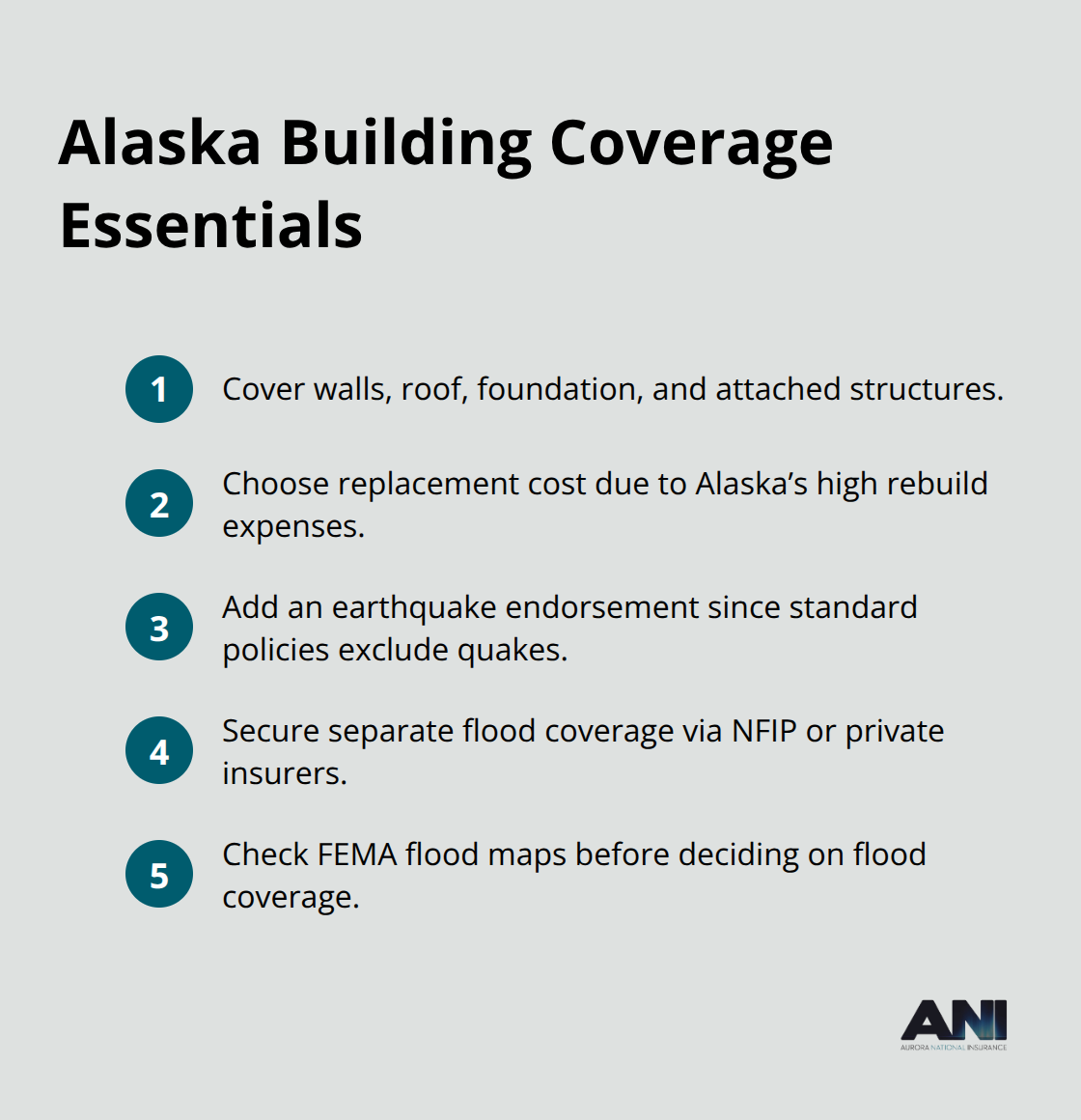
Building structure protection forms the foundation of any landlord policy. This covers damage to the physical property itself-walls, roof, foundation, and attached structures. Water damage from burst pipes ranks as the most expensive claim Alaska landlords face, according to the Insurance Information Institute. Alaska’s freeze-thaw cycles create constant pipe stress, making this coverage non-negotiable.
Replacement cost coverage matters more in Alaska than elsewhere because remote logistics and material scarcity drive rebuilding costs significantly higher than in the lower 48 states. Standard policies exclude earthquakes, but Alaska’s seismic activity makes earthquake endorsements worth the extra premium. Flood coverage requires a separate policy through the National Flood Insurance Program or private insurers-your standard landlord policy won’t touch it. Check FEMA flood maps to understand your property’s actual flood risk before deciding whether to add this layer.
Income Protection When Tenants Can’t Pay Rent
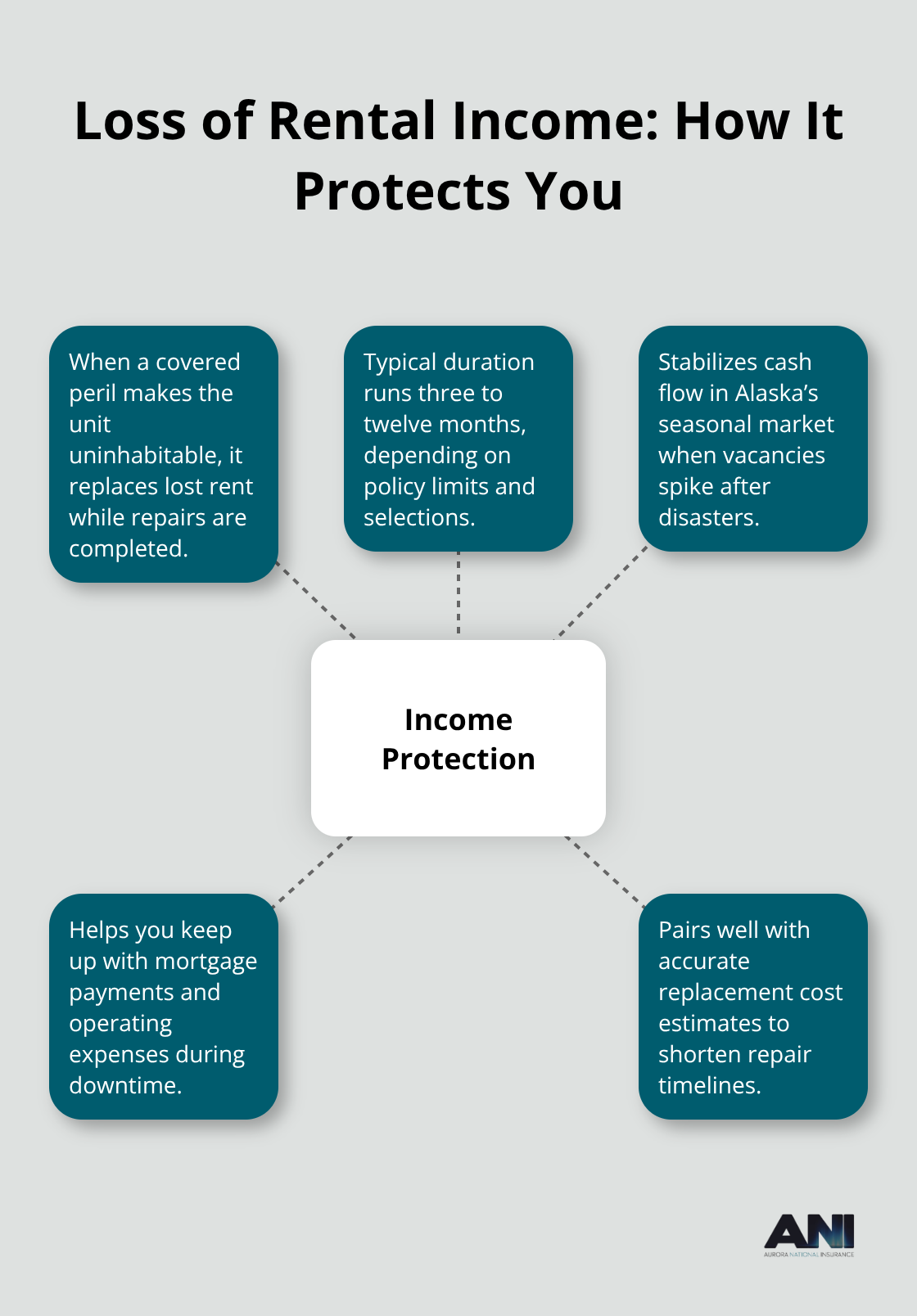
Loss of rental income coverage keeps cash flowing when a covered event makes your property uninhabitable. If a fire or severe weather damage forces you to evict tenants temporarily, this coverage pays your lost rent while repairs happen. Alaska’s seasonal rental market creates cash flow volatility that most landlords underestimate.
This endorsement typically covers three to twelve months of lost income, depending on your policy limits. The Insurance Information Institute recommends this coverage as essential for landlords who depend on rental income to cover mortgage payments or operational costs. Without it, you’re personally liable for that income gap while contractors work.
Liability Protection Against Tenant and Guest Injuries
General liability coverage protects you when someone gets injured on your property and sues. A guest slips on ice during winter, a tenant suffers a fall from poorly maintained stairs, or someone gets hurt in a common area-liability coverage handles the medical bills and legal costs. The Insurance Information Institute notes that typical starting limits run around 1 million dollars for single-unit properties, with higher limits recommended for multi-unit buildings.
Alaska’s harsh conditions increase slip-and-fall claims during winter months, making robust liability limits particularly important. An umbrella liability policy adds an extra layer of protection above your underlying coverage, offering additional security if a major injury claim exhausts your standard limits. This combination of building, income, and liability protection creates a complete safety net for Alaska rental properties. Now that you understand what your policy covers, the next step involves identifying which specific risks matter most for your Alaska property.
Why Alaska Demands Different Insurance Solutions
Alaska’s rental market operates under conditions that simply don’t exist in most of America, which means standard landlord policies fall short. The Insurance Information Institute identifies water damage from burst pipes as a significant claim Alaska landlords face, and this happens because freeze-thaw cycles that repeat dozens of times each winter put constant stress on plumbing systems. Your property sits exposed to seismic activity that most states never experience, making earthquake endorsements a practical necessity rather than optional upgrades. Standard policies exclude earthquakes entirely, so you need to add this coverage separately. Flood risk varies dramatically across Alaska depending on location, and FEMA flood maps show that many rental properties sit in high-risk zones where the National Flood Insurance Program becomes mandatory if you have a mortgage. Remote logistics mean replacement materials cost significantly more than in the lower 48 states, pushing rebuilding expenses to levels that standard coverage limits can’t handle. Alaska’s seasonal rental patterns create income volatility that most landlords underestimate, making loss of rental income coverage far more valuable here than in markets with year-round stable occupancy.
Winter Weather Multiplies Your Liability Exposure
Winter conditions multiply your liability exposure in ways that property owners in milder climates never face. The Insurance Information Institute notes that slip-and-fall claims spike during Alaska’s winter months, and tenants injured on ice-covered walkways or due to inadequate snow removal can file substantial claims. General liability coverage starting at 1 million dollars protects you from medical bills and legal costs when someone gets injured on your property, but Alaska’s conditions suggest higher limits make financial sense for multi-unit properties. An umbrella liability policy adds another layer above your standard coverage, offering critical protection when a major injury claim exhausts your primary limits.
State Law Holds You Accountable for Property Conditions
State law requires landlords to maintain rental properties in habitable condition, which means you’re personally liable if inadequate heating, broken pipes, or poor maintenance creates dangerous conditions that injure tenants. Alaska’s building codes are strict, and code upgrade endorsements cover the increased costs to bring repairs up to current standards after a loss, a concern that matters more in Alaska than elsewhere due to seismic and weather-related building requirements. Agents experienced in Alaska rentals ensure your policy actually meets lender requirements and covers the specific gaps that generic policies miss. This local expertise becomes your advantage when navigating Alaska’s unique insurance landscape and preparing for the next critical step: selecting a policy that truly protects your investment.
How to Choose the Right Landlord Insurance Policy
Start by mapping your property’s actual risk profile instead of purchasing generic coverage that leaves gaps. Alaska landlords often underestimate water damage exposure because they fail to factor in how many freeze-thaw cycles their specific location experiences each winter. Properties in interior Alaska face different risks than coastal properties, and elevation matters-lower properties flood more frequently. Check FEMA flood maps for your exact address to determine whether flood coverage becomes mandatory or merely prudent. Seismic activity varies across Alaska, so properties near Anchorage or Southeast Alaska face higher earthquake risk than those in rural interior regions. Document your property’s age, construction type, and condition because these factors directly influence both premiums and coverage availability. Properties built before modern building codes cost more to insure and often require additional endorsements for code upgrades after a loss. Your mortgage lender’s requirements also shape what you must carry-most lenders demand specific coverage minimums and won’t accept policies that fall below their thresholds. Contact your lender before shopping for policies to understand exactly what they require, then use those requirements as your baseline rather than your ceiling.
Compare Limits and Deductibles Against Your Financial Capacity
Coverage limits mean nothing if they don’t match your actual replacement costs or your ability to absorb out-of-pocket expenses. Request detailed replacement cost estimates from contractors in your area rather than relying on generic online calculators. General liability limits of 1 million dollars work for single-unit properties, but multi-unit buildings need higher limits-consider 2 to 3 million dollar minimums depending on the number of units and tenant density. Deductibles directly impact your out-of-pocket costs during claims, so higher deductibles only make sense if you maintain an emergency fund covering at least three to six months of mortgage payments plus operating expenses. Loss of rental income coverage should extend for at least six months (given Alaska’s seasonal vacancy patterns and the time required for major repairs in remote locations).
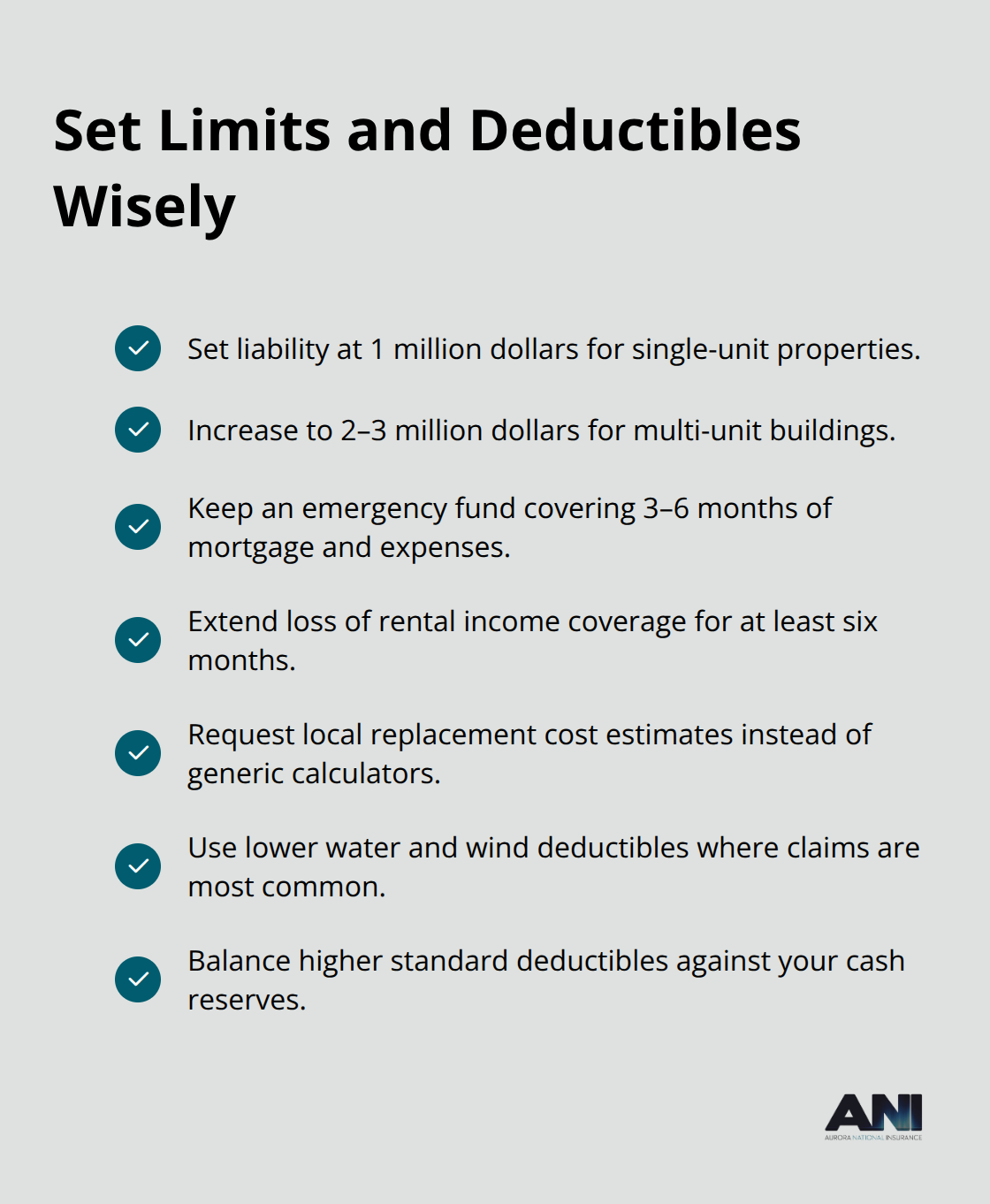
Water damage and wind deductibles warrant separate attention because Alaska’s weather creates frequent claims in these categories-paying a higher standard deductible but lower water and wind deductibles often reduces overall premium costs while protecting cash flow during the most common claim types.
Work with Agents Who Understand Alaska’s Market
Generic national insurers employ agents unfamiliar with Alaska’s specific conditions and often deny claims they shouldn’t or underprice policies that later prove inadequate. Local agents know which carriers price Alaska properties fairly and which ones use generic models that underestimate risk, then either overprice or underprice coverage. Agents experienced in Alaska rentals verify that policies actually meet lender requirements and include the specific endorsements Alaska properties need-earthquake coverage, water backup protection, and code upgrade endorsements that national carriers sometimes omit entirely. Compare quotes from at least three carriers, but focus your comparison on Alaska-experienced agents rather than online quote systems that cannot account for regional complexities. Ask potential agents about their experience with properties similar to yours in terms of location, age, and construction type, then verify they understand Alaska’s building codes and lender requirements. The cheapest premium often signals inadequate coverage rather than a good deal, particularly when the quote comes from an agent unfamiliar with Alaska’s true replacement costs and liability exposure (and the specific endorsements your property actually needs).
Final Thoughts
Alaska landlord property coverage protects your rental investment from risks that standard policies ignore. Water damage from freeze-thaw cycles, earthquake exposure, seasonal income volatility, and winter liability claims create financial exposure that demands specialized protection. Your policy must include building structure coverage with replacement cost limits reflecting Alaska’s high material and logistics costs, loss of rental income protection covering at least six months of lost rent, and general liability limits starting at 1 million dollars for single-unit properties.
Start protecting your investment by mapping your property’s actual risks rather than purchasing coverage based on assumptions. Check FEMA flood maps for your specific address, research seismic activity in your area, and request replacement cost estimates from local contractors. Contact your mortgage lender to confirm their coverage requirements, then use those minimums as your baseline for comparison shopping.
Compare quotes from at least three carriers, but prioritize agents with genuine Alaska experience over the cheapest online quote. Local agents understand which endorsements your property actually needs and verify that policies meet lender requirements before you commit. Contact Aurora National Insurance to compare quotes and find the right Alaska landlord property coverage for your specific situation.
The information provided in this blog is for general informational purposes only and does not constitute legal, financial, or insurance advice. Coverage options, terms, and availability may vary. Please consult with a licensed professional for advice specific to your situation.
Artificial intelligence may have been used to generate text and images in some blog articles.


