
Alaska Landlord Coverage Tips: Practical Steps to Better Property Insurance
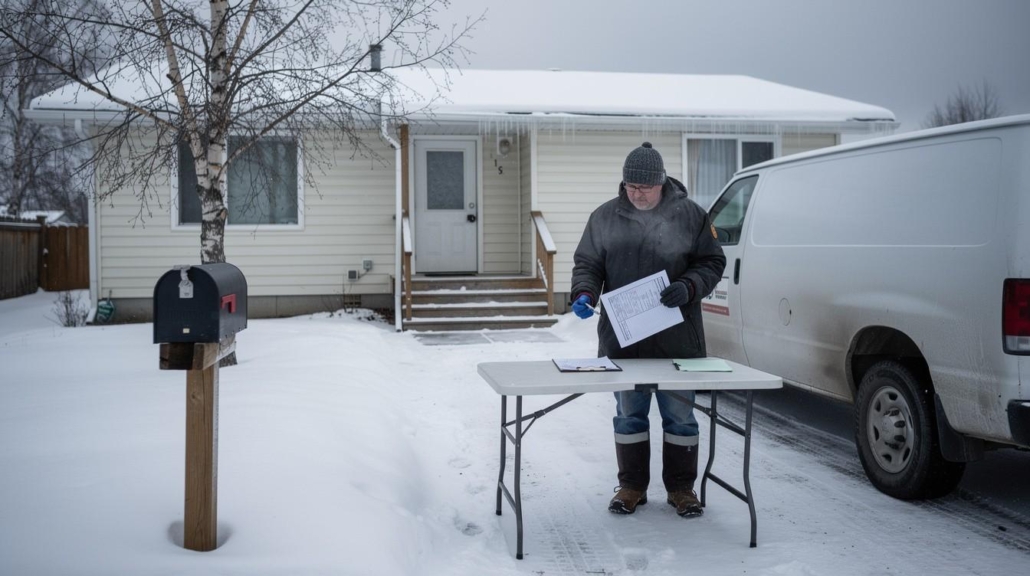
Alaska’s extreme weather and unique rental market create insurance challenges that most landlords underestimate. Frozen pipes, ice damage, and seasonal vacancy rates demand coverage strategies tailored specifically to the state.
At Aurora National Insurance, we’ve helped countless Alaska property owners navigate these complexities. This guide walks you through essential Alaska landlord coverage tips and practical steps to strengthen your protection.
What Makes Alaska Landlord Insurance Different
Alaska’s rental market operates under conditions that most landlords in the lower 48 states never face. Frozen pipes aren’t a minor inconvenience-they’re a leading cause of property damage claims in Alaska, with winter temperatures regularly dropping below negative 20 degrees Fahrenheit. Water damage from frozen pipes represents a significant portion of claims in cold climates, and rental properties face even higher exposure because tenants often lack incentive to maintain proper heating. Beyond weather, Alaska’s seasonal economy creates another problem: properties in tourist-dependent areas like Juneau and Ketchikan experience dramatic occupancy swings, leaving units vacant for months at a time. Vacant properties face increased risk of theft, vandalism, and weather damage without tenant activity to deter problems. Alaska also imposes specific regulatory requirements that differ from federal standards. The state requires landlords to maintain habitability standards under Alaska Statute 34.03.100, which mandates functioning heat systems, plumbing, and weatherproofing. If your property fails inspection or a tenant files a habitability complaint, your standard homeowner policy won’t cover liability costs or loss of rental income during remediation.
Understanding Alaska’s Freeze-Thaw Cycle Impact
The freeze-thaw cycle creates damage patterns unique to Alaska properties. When temperatures fluctuate around freezing-common in spring and fall-water expands and contracts within pipes, causing micro-fractures that eventually burst. Rental properties with older plumbing systems or inadequate insulation in crawl spaces face the highest risk.
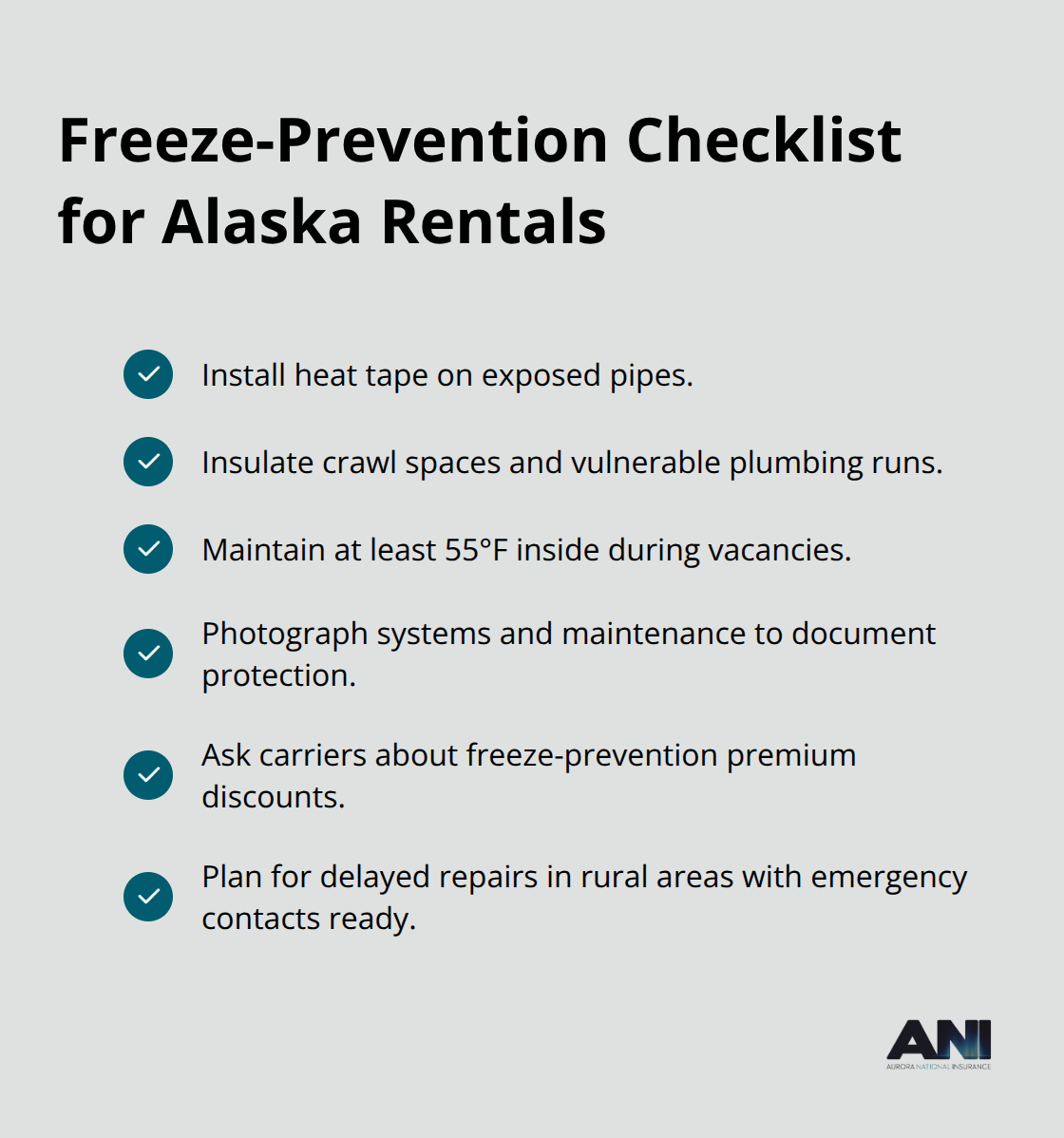
Installing heat tape on exposed pipes and maintaining minimum interior temperatures of 55 degrees Fahrenheit even during vacancy periods significantly reduces claims. Your insurance carrier needs to know if your property has these protective measures in place, as many offer premium discounts for properties with freeze-prevention systems. Properties in rural Alaska face additional challenges because emergency repair services may take days to arrive, turning minor water damage into major loss of rents and structural problems.
Seasonal Vacancy and Coverage Gaps
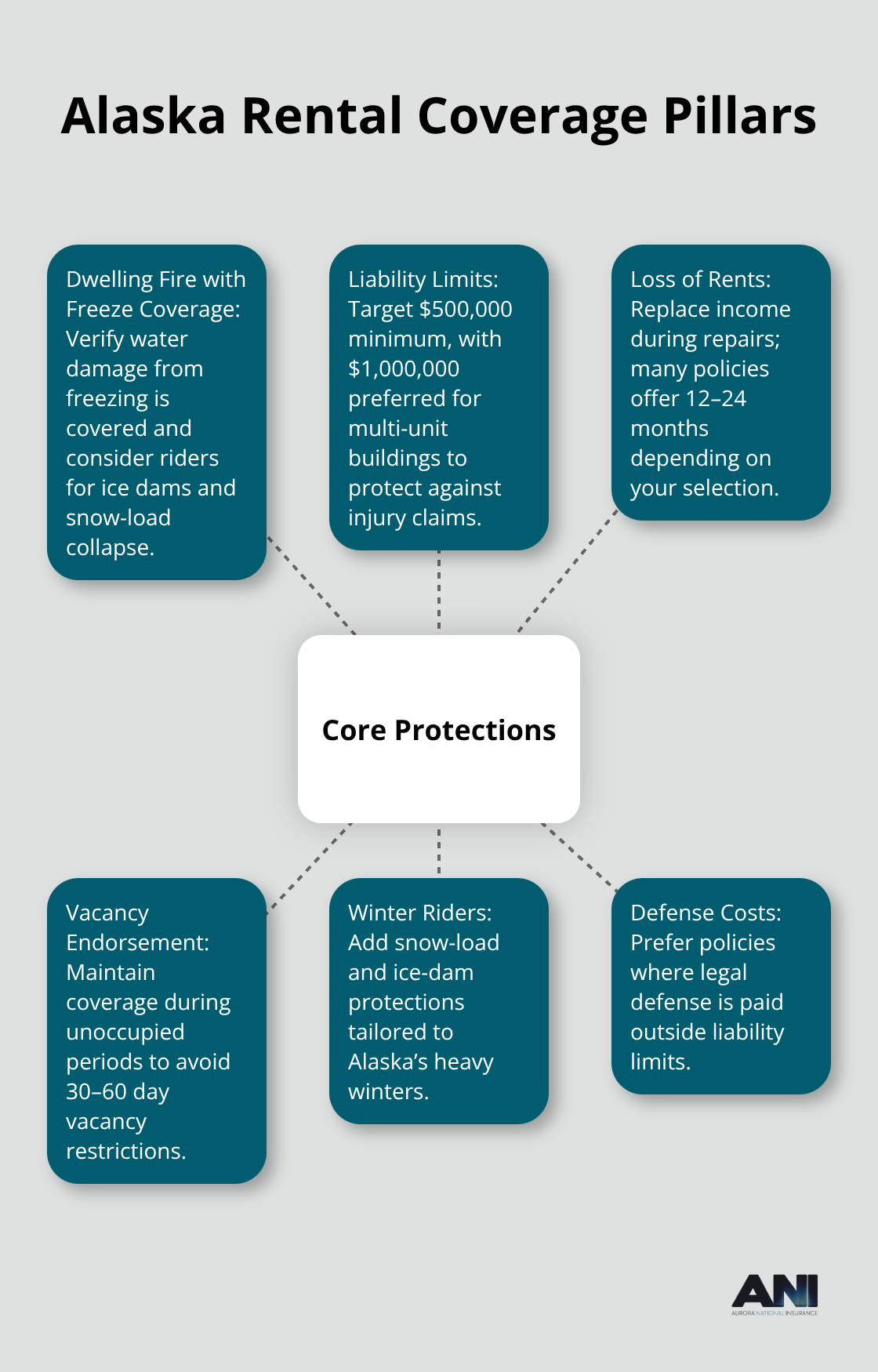
Landlords often assume standard landlord policies cover losses during vacant periods, but many carriers restrict coverage or exclude claims if a property sits empty for more than 30 to 60 consecutive days. If you rent seasonally or experience long gaps between tenants, this gap can leave you exposed. Some carriers offer vacancy endorsements that maintain full coverage during unoccupied periods, though they typically cost 10 to 15 percent more in premium. Loss of rents coverage becomes particularly important when seasonal vacancy is part of your business model, as it compensates you for income lost to covered perils. Understanding these gaps now helps you select the right policy structure before vacancy season arrives.
What Coverage Actually Protects Alaska Rental Properties
Alaska landlords face a critical decision: standard dwelling fire policies often exclude or severely limit coverage for the exact risks that destroy rental properties in this state. Dwelling fire insurance forms the foundation of landlord protection, but the standard HO-3 policy most carriers offer won’t adequately cover Alaska’s freeze-thaw damage, seasonal vacancy losses, or liability exposure unique to rental operations. A proper dwelling fire policy should cover wind damage, ice dams, and water damage from burst pipes, but you need to verify your carrier actually covers water damage from freezing rather than excluding it as a maintenance failure.
Dwelling Fire Coverage and Freeze Protection
Many carriers in Alaska impose surcharges for freeze-related claims or require proof of active heating systems before covering pipe damage. Request your carrier’s specific exclusions in writing before purchasing, particularly around freeze-thaw cycles and seasonal vacancy periods. Extended protection riders add coverage for roof collapse under snow load, which prevents catastrophic losses when Alaska’s heavy winter snow accumulates faster than it melts. These riders transform basic fire coverage into comprehensive protection that actually addresses Alaska’s weather realities.
Liability Coverage Protects Your Financial Security
Liability coverage protects you when a tenant or visitor gets injured on your property and sues for medical costs or lost wages. Standard landlord policies typically provide 300,000 dollars in liability coverage. If a tenant slips on ice near your rental entrance and breaks a leg, your liability coverage pays their medical bills and legal fees if they sue. Alaska’s premises liability standard requires landlords to maintain safe conditions and warn tenants of hazards, so inadequate liability limits create serious financial exposure.
Try minimum liability limits of 500,000 dollars for any Alaska rental property, with 1 million dollars preferred for multi-unit buildings. Legal defense costs alone can reach 50,000 to 75,000 dollars before a case settles, so carriers that cover defense costs separately from your liability limit offer superior protection compared to those that deplete your limit while paying attorneys. This distinction matters significantly when defending against injury claims.
Loss of Rents Replaces Income During Repairs
Loss of rents coverage compensates you for tenant payments you lose when a covered peril makes the property uninhabitable. If a pipe bursts and water damage forces you to vacate the unit for repairs, loss of rents coverage replaces the income you would have collected during the repair period. Most carriers offer loss of rents coverage as an optional rider, and it typically covers 12 to 24 months of lost rent depending on your policy.
In Alaska, where repair timelines extend beyond the lower 48 due to supply chain delays and contractor availability, this coverage prevents financial catastrophe during extended repairs. Document your monthly rent amount carefully when purchasing this coverage, as carriers base claims payments on the exact figure you list. Additional living expenses coverage works similarly but applies when you must temporarily relocate tenants and cover their hotel or temporary housing costs during repairs, which becomes relevant for major water damage or structural damage requiring extended remediation. These two coverage types work together to protect both your income and your tenants’ welfare during recovery periods.
Understanding these three coverage pillars positions you to evaluate policies that actually fit Alaska’s rental market. The next step involves assessing your specific property to determine which coverage limits and riders your situation demands.
How to Find the Right Policy for Your Alaska Rental Property
Start your coverage optimization by walking through your property with a detailed checklist focused on freeze-prevention systems, structural vulnerabilities, and rental-specific exposures. Document whether your building has heat tape on exposed pipes, insulation in crawl spaces, and functioning heat sources capable of maintaining 55 degrees Fahrenheit during vacancy. Take photographs of roof condition, gutter systems, and drainage around the foundation, as these details directly influence your premium rates and coverage eligibility. Insurance carriers in Alaska increasingly require proof of these protective measures before offering competitive rates on freeze-related coverage.
Assess Your Property’s Current Protection Systems
Contact your current carrier and request their specific requirements for your property type and location, then photograph any improvements you’ve already made. This documentation becomes essential when comparing quotes because carriers weight freeze-prevention measures differently, and properties with documented maintenance history receive better rates across most major carriers. Properties with heat tape on exposed pipes and proper insulation typically qualify for discounts of 5 to 10 percent compared to unprotected buildings. Carriers also reward landlords who maintain interior temperatures above 55 degrees Fahrenheit during vacancy periods, as this single measure prevents the majority of freeze-related claims in Alaska.
Request Detailed Quotes from Multiple Carriers
When you contact carriers for quotes, provide exact information about your property rather than estimates. Include the year your building was constructed, the square footage, the number of units, whether plumbing is exposed or buried, and your monthly rental income. Carriers price policies based on these specifics, and vague information leads to quotes that don’t reflect your actual situation. Try contacting at least three carriers that operate actively in Alaska, as pricing for freeze-related claims varies dramatically between companies. Some carriers exclude freeze damage entirely while others offer it with minimal surcharges, creating significant annual differences on the same property.
Ask each carrier for their specific exclusions around seasonal vacancy, freeze-thaw cycles, and roof collapse under snow load. Many carriers provide this information only when directly asked, so don’t assume standard policies include the coverage you need. Compare not just the premium but the actual coverage limits, deductibles, and riders each quote includes. A lower premium means nothing if that policy excludes your primary risks.
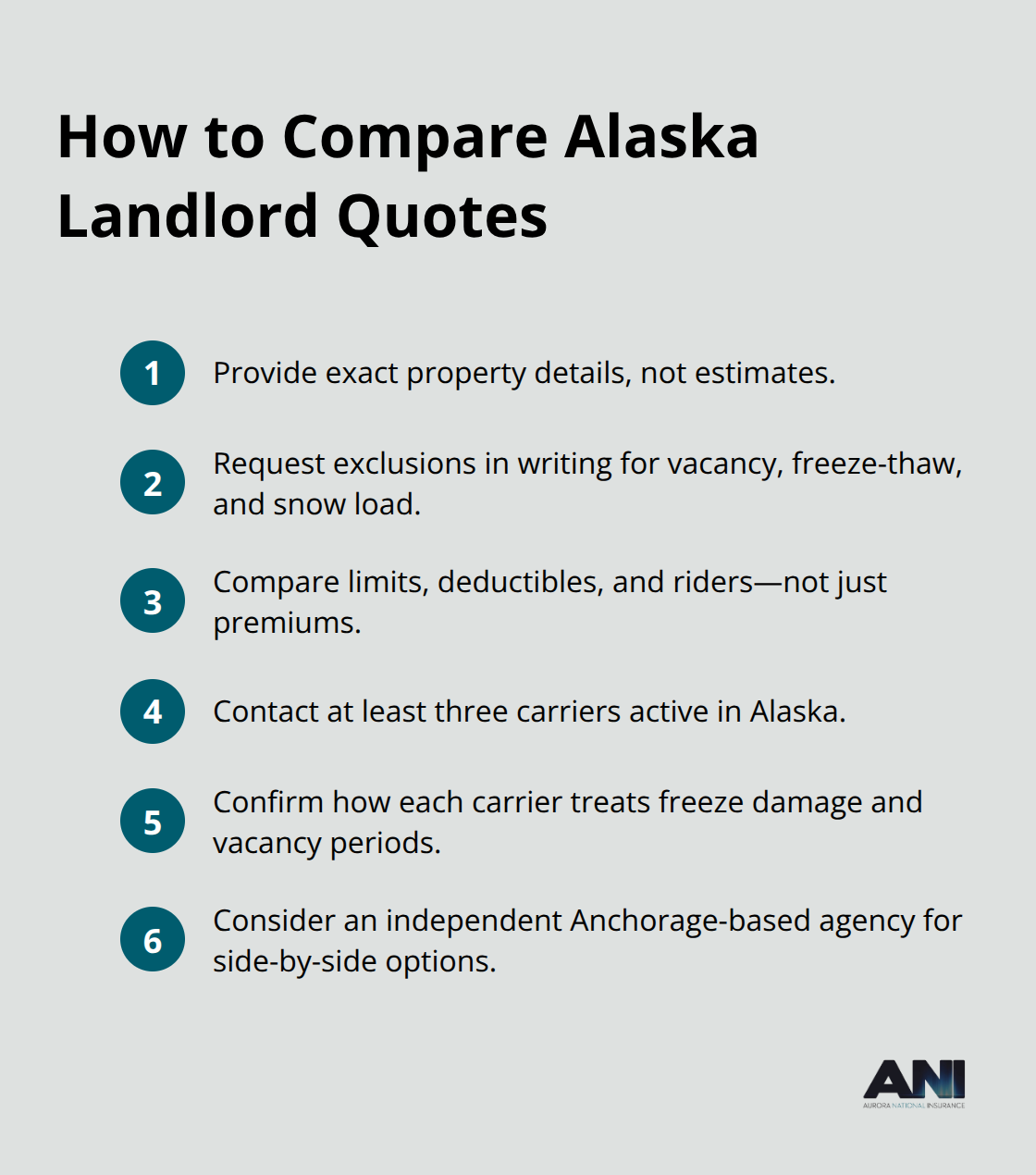
If you operate in multiple states, an independent Anchorage-based agency can represent multiple top-rated carriers and deliver tailored comparisons across different insurers to help you identify the best fit for your Alaska property.
Update Your Coverage During Annual Reviews
Schedule a policy review every October before winter weather intensifies, examining whether your coverage limits still match your property’s current value and rental income. If you’ve made improvements like installing heat tape or upgrading insulation, notify your carrier because these changes often qualify for premium discounts. Property values in Alaska have increased significantly over the past three years, and many landlords discover their dwelling coverage limits haven’t kept pace with replacement costs. Your loss of rents coverage should reflect your current monthly rent, not the amount you charged three years ago.
If your property has appreciated, your liability limits may need adjustment upward as well, particularly if you’ve added units or expanded operations. During your review, ask your carrier whether they’ve added new coverage options or riders since your last policy anniversary. The insurance market for Alaska properties continues evolving, and coverage options available this year may not have existed when you originally purchased your policy. Properties in rural Alaska benefit especially from annual reviews, as supply chain delays and contractor availability in remote areas can extend repair timelines beyond what your current loss of rents coverage provides.
Final Thoughts
Alaska landlord coverage tips succeed when you act on what you’ve learned rather than filing this guide away. The three coverage pillars-dwelling fire protection with freeze-prevention verification, liability limits of at least 500,000 dollars, and loss of rents compensation-form the foundation of financial security for Alaska rental properties. Your property’s specific vulnerabilities determine which riders and endorsements matter most, which is why the assessment process matters more than following generic insurance advice.
Contact carriers that actively serve Alaska properties and provide them with accurate property details. Ask specifically about their freeze-thaw exclusions, seasonal vacancy restrictions, and snow load coverage. Compare not just premiums but actual coverage terms, because the cheapest policy often excludes your primary risks. If you operate in multiple states or want tailored comparisons across different insurers, Aurora National Insurance represents multiple top-rated carriers with local Alaskan expertise to help you identify the best fit for your rental property.
Update your coverage limits as property values change, notify your carrier of protective improvements, and verify that loss of rents coverage reflects your current rental income. Schedule your policy review every October before winter weather intensifies, and this consistent approach transforms Alaska landlord coverage from a compliance burden into a strategic asset. Your investment and your tenants’ security depend on the coverage decisions you make today.
The information provided in this blog is for general informational purposes only and does not constitute legal, financial, or insurance advice. Coverage options, terms, and availability may vary. Please consult with a licensed professional for advice specific to your situation.
Artificial intelligence may have been used to generate text and images in some blog articles.


